Jamaican film-makers confront enslavement as taboo stories reach the screen
Directors in Jamaica are increasingly using the island's history and landscapes to tackle enslavement and colonial trauma, with Sky's supernatural series Possession leading the shift.
At a glance
- Sky's supernatural series Possession follows a British lawyer investigating an inheritance dispute in Jamaica who uncovers a vengeful spirit.
- Director Storm Saulter says a scene where a 300-year-old box is opened symbolises colonial enslavement and oppression resurfacing.
- Film scholar Lisa Tomlinson says Jamaican cinema now reflects stories once considered taboo, calling this form of cultural reparation.
Jamaican film-makers are increasingly turning to the country's history of enslavement and colonial rule, using the island's landscapes to tell stories that were previously avoided, according to people working in the industry.
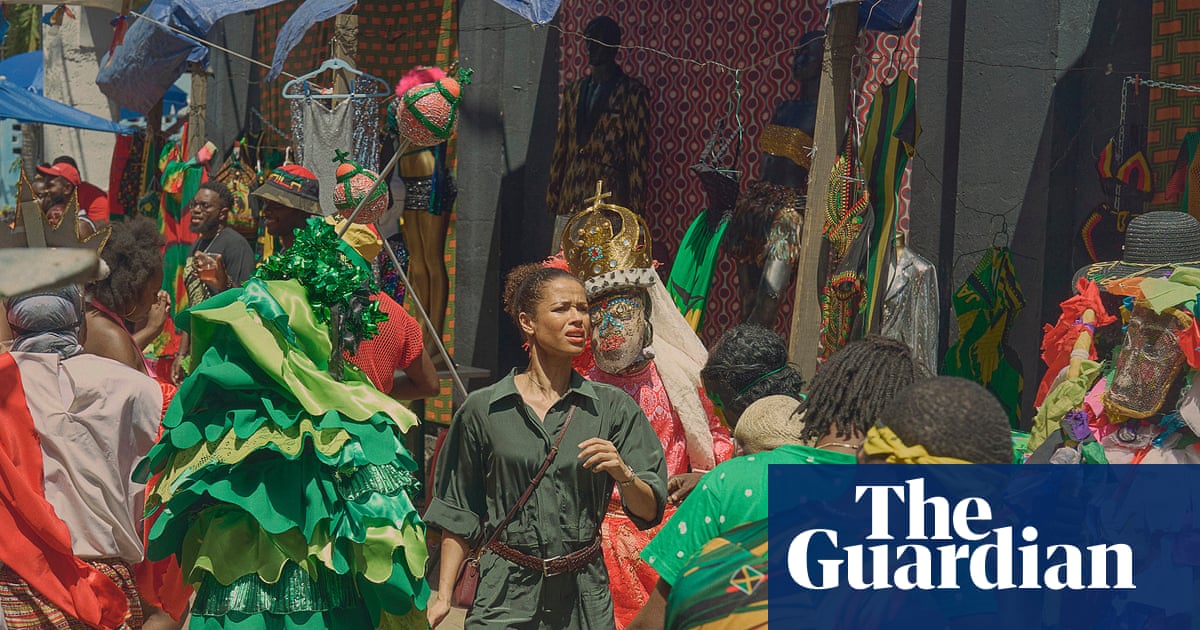
The change is visible in Possession, a Sky supernatural series about a biracial British lawyer who travels to Jamaica to investigate a multimillion-pound inheritance dispute and uncovers a dark, vengeful spirit tied to a plantation's brutal colonial past. In a pivotal scene, a woman opens a 300-year-old box and unleashes a violent spirit.
'A horrible secret'
For the Jamaican director Storm Saulter, representing the trauma and enduring legacy of enslavement and colonisation was critical. "Literally, we're going to open up the lid of a 300-year-old horrible secret," he said. "It's the spirit of colonial enslavement and oppression coming roaring back."
Saulter said the box-opening scene is not simply a plot device but a metaphor for the resurfacing of long-suppressed histories. The spirit is embodied in a character who has lived through centuries of brutality — "a witness to history" — and whose presence forces the protagonists to reckon with the past they have inherited.
He described the series as part of a broader political awakening. "The mask has slipped ... We've been told it's one thing, and that thing is proven to be false. So there's a seeking of what is true," he said.
Saulter's interest in the subject is rooted in his upbringing in the Jamaican countryside, where he encountered the Obia man, the church and nine nights — observances he said he had lived through. He wants his work to educate and have "real societal political impact" while remaining thrilling and entertaining. "As opposed to doing something that was like talking heads ... we're bringing you on a journey," he said.
Cultural reparation
Dr Lisa Tomlinson, a lecturer in film studies at the University of the West Indies, said the themes in Jamaican films are changing. "They're now very much connected and reflective of Jamaican stories — stories that were previously taboo or avoided," she said.
While the films are not always explicitly about reparations, she argued that many engage with the legacies of enslavement through cultural memory. "Reparation is not just a political act," she said. "It's also culture." Such creative expression amounts to "cultural reparation", she said — a reclaiming of narratives devalued or suppressed under colonialism.
Jacqueline Jackson, Jamaica's film commissioner, said productions such as Possession and Delroy Lindo's Jabari's People, shot entirely in Jamaica, reflected growing confidence and ambition among Jamaican creatives. Both worked closely with Jamaican talent to ensure authenticity, she said.
Dr L'Antoinette Stines, a Yoruba priestess and cultural expert who advised on Possession, said Black people have long used the arts in resistance and praised Saulter's insistence on authenticity in a series exploring inherited trauma, ancestral memory and the unfinished business of colonialism.
Source: The Guardian.
Questions and answers
- What is the Sky series Possession about?
- It follows a biracial British lawyer who travels to Jamaica to investigate a multimillion-pound inheritance dispute and uncovers a dark, vengeful spirit tied to a plantation's brutal colonial past.
- Why are Jamaican film-makers focusing on enslavement?
- Directors such as Storm Saulter say they want to confront long-suppressed histories, inherited trauma and colonial violence, while lecturer Lisa Tomlinson describes the trend as a form of cultural reparation.
- Who worked on Possession?
- The series was directed by Jamaican film-maker Storm Saulter, with Dr L'Antoinette Stines, a Yoruba priestess and cultural expert, advising on its engagement with Afro-spiritualist traditions.