Afrohype Gains Ground Across West Africa as Hypemen Redefine Afrobeats
Driven by vibrant crowd engagement and deep African performance roots, Afrohype has evolved from nightclub backing vocals into a lucrative entertainment force.
At a glance
- Afrohype, also known as lamba, has grown into a distinct, high-paying performance industry across West Africa.
- The style descends from long-standing African traditions, including West African griots and Congolese atalaku.
- Top hypemen can command between 5m and 8m naira per appearance as demand rises at parties and clubs.
A fast-growing sub-genre known as Afrohype or lamba is transforming the West African nightlife and music industry, elevating energisers and crowd commanders into headline acts across Nigeria and beyond.
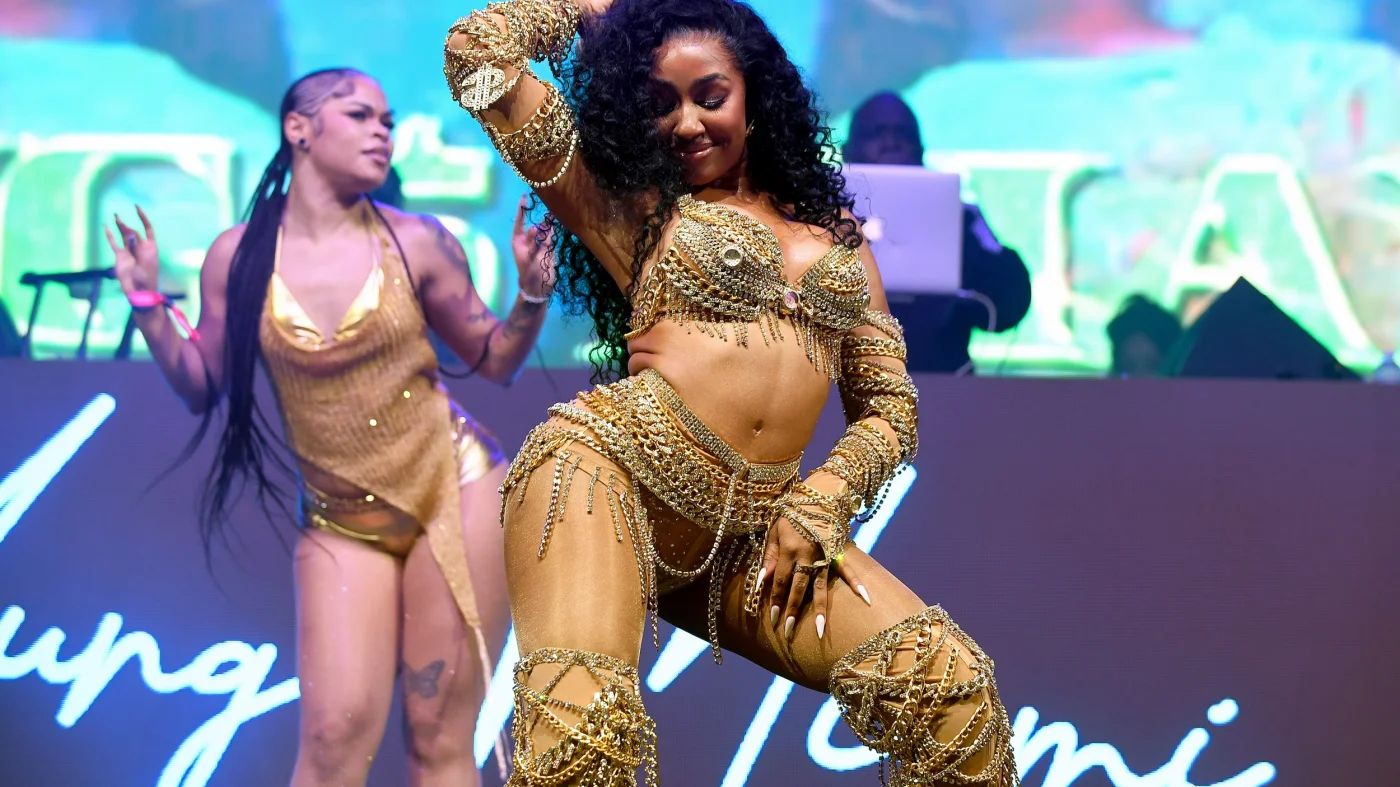
Performers in the scene combine ad-libbed vocals, jokes, and rhythmic chants over instrumentals such as Dorime, a Nigerian reimagining of the 1996 track Ameno by the French group Era. Rather than standard singing or rapping, hypemen use mic control and banter to engage crowds at nightclubs, raves, corporate events, and wedding after-parties. The high-energy performances frequently prompt partygoers to spray money, a customary Nigerian practice of showering cash on performers.
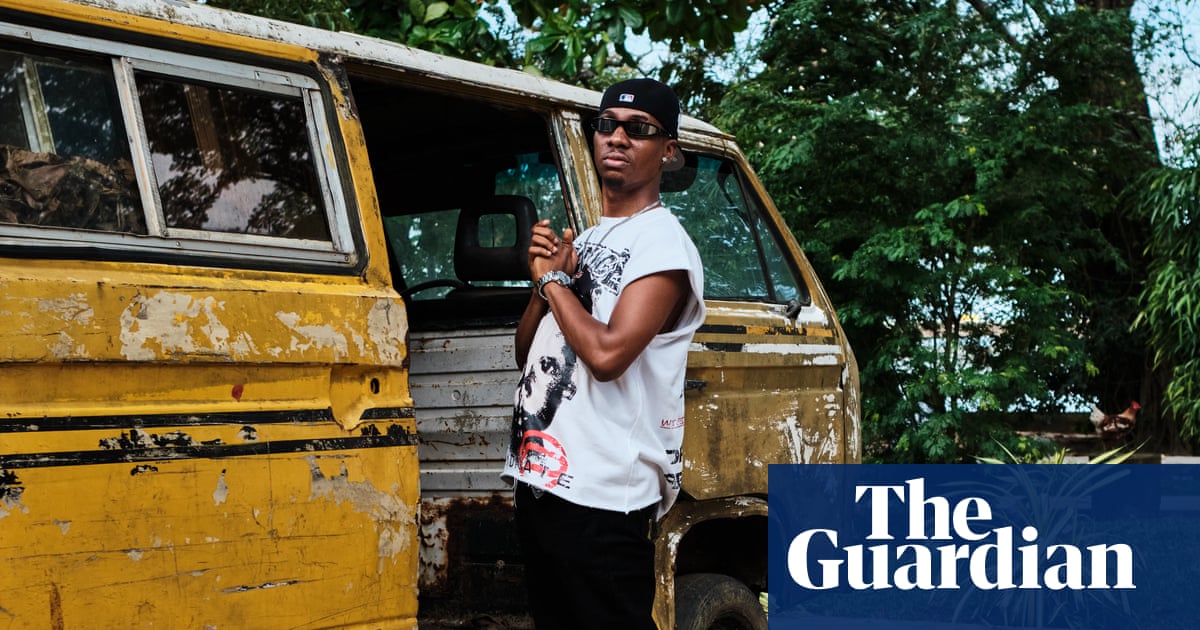
Prominent figures such as 32-year-old Toby Shang, born Tobi Michael Adeyeye, have led the movement's rise. After his catchphrases sparked the hit song Shedibalabala during his university days in Lagos, Shang released two EPs, organised raves, and founded the School of Hype to mentor new talent.
While the industry remains largely male-dominated, several female artists have left a mark on the genre. Among them are Yaoundé-based bikutsi artist Lady Ponce, known as the "100,000-volt lady," Lagos radio presenter Melody "M.I.A" Adigo, and Deborah "Hype Queen Baddy" Francis, a School of Hype alumna who died in September.
Deep Historical Roots
The practice traces back to centuries-old African musical traditions of call-and-response and praise-singing, originally kept by West African griots and later echoed in American negro spirituals. In the 1980s, the style manifested in Kinshasa, Democratic Republic of the Congo, as atalaku, meaning "look here, look at me" in Kikongo.
Congolese artists Koffi Olomide and Awilo Longomba brought the trend to broad recognition, later inspiring Côte d’Ivoire's coupé-décalé movement and its culture of farotement, or cash-spraying. Key elements, such as a line from the late Ivorian musician DJ Arafat's 2003 track, later influenced Nigerian pop hits by Flavour N’abania and Skales. The style has also spread across regional borders, prompting the Ghana DJ awards to introduce an MC and hypeman category.
Commercial Growth and Mixed Reactions
Hype has shifted from background voiceover work into a profitable profession. With headlining musical artists growing costlier to book following the Covid-19 pandemic, event organisers turned to hypemen. Top acts can reportedly earn between 5m and 8m naira (£2,844 to £4,550) for a 30- to 60-minute set.
Despite its popularity, the sub-genre faces criticism. Observers note that excessive noise levels and untailored language can disrupt gatherings, while others point out that some jokes lean into misogynistic tropes or encourage fraudulent lifestyles.
Advocates, however, view the craft as an essential social release. Performers argue that hyping helps people forget daily hardships and draws patrons away from their smartphones and back onto the dancefloor.
Source: The Guardian World.
Questions and answers
- What is Afrohype?
- Afrohype, or lamba, is an Afrobeats sub-genre where performers use ad-libbed vocals, energetic chants, and quips over musical beats to engage and energise audiences.
- What are the historical origins of hyping in African music?
- The style stems from West African griot praise-singing and call-and-response traditions, which developed into the Congolese atalaku movement of the 1980s before spreading through Côte d'Ivoire and Nigeria.
- How much do top hypemen earn per performance?
- Promoters report paying leading hypemen between 5 million and 8 million Nigerian naira for sets lasting 30 to 60 minutes.