Toynbee urges Burnham to raise bank taxes in first budget
Guardian columnist argues the prime minister should resist banking lobby pressure and restore higher levies to fund public services.
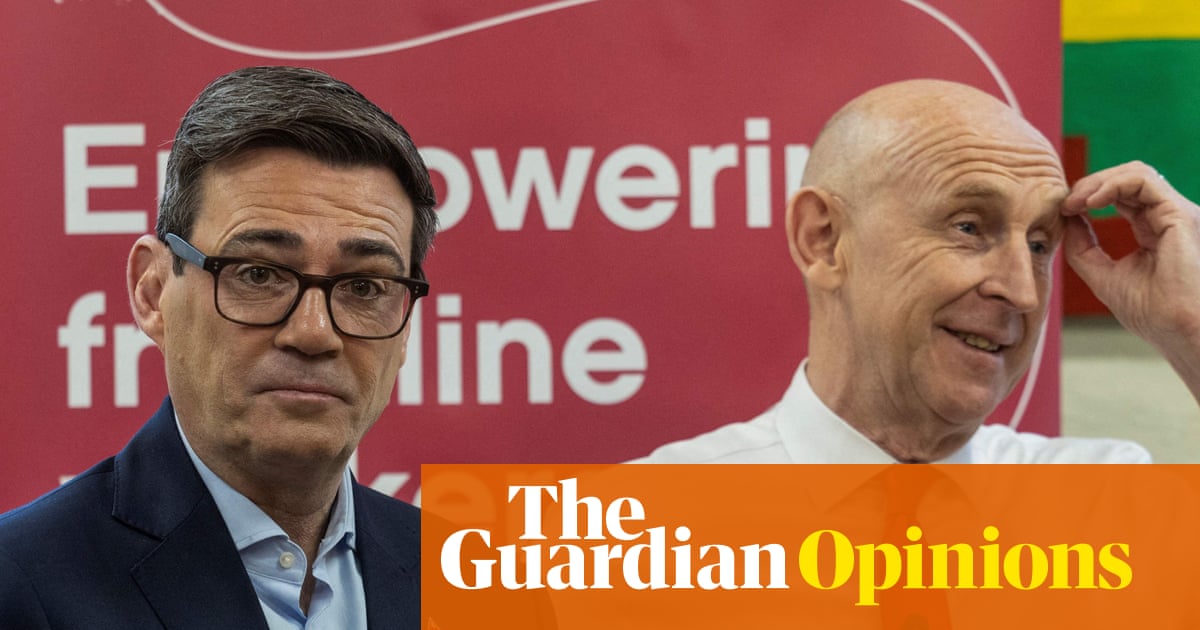
At a glance
- Polly Toynbee argues Andy Burnham's first budget should raise taxes on major UK banks.
- The four largest banks made £13bn in half-year profits, up 16% year-on-year.
- Restoring the bank surcharge to 8% could raise £2bn, while public opinion supports a windfall tax.
In a column for The Guardian Business, Polly Toynbee argues that Prime Minister Andy Burnham's first budget should impose higher taxes on the UK's largest banks. Toynbee writes that the four biggest banks reported £13 billion in profits for the first half of the year, a 16% increase over the previous year, yet the previous chancellor, Rachel Reeves, left Conservative cuts to the bank levy and profit surcharge in place.
Bank lobbying and historical precedent Toynbee highlights pressure from banking lobby group UK Finance, which claims higher taxes would drive banks to competitor countries. She cites Tax Policy Associates data showing only Ireland has a lower bank tax rate among western European nations. JPMorgan chief executive Jamie Dimon, whose net worth Forbes estimates at $3.1 billion, has threatened to scrap a planned £3 billion London headquarters if taxes rise, a tactic Toynbee says mirrors his 2009 warnings to then-chancellor Alistair Darling. Darling imposed a 50% levy on bonuses over £25,000, raising £2.3 billion in four months, and JPMorgan ultimately built its London office and continued buying UK debt.
Fiscal context and public opinion The official cost of the bank bailout was £23 billion, but Toynbee notes estimates of lasting economic damage range up to 7.5% of GDP. Restoring the corporation tax surcharge on banks to its original 8% from the current 3% would yield about £2 billion, which she calls a modest sum. Trades Union Congress polling shows strong public support for a bank windfall tax, as well as for higher gambling and wealth taxes. Toynbee suggests linking any tax increase to popular spending, such as funding programmes for young people not in education, employment or training.
Broader economic signals Toynbee observes that while inflation has risen, so have employment, growth, business investment and average pay. Earnings inequality increased for the first time in a decade. From Friday, trade union representatives gain the right to recruit in every workplace, a change she says could raise wages by 4-5%. She concludes that Burnham's willingness to defy bank bullying, even modestly, would signal a confident direction for his government.
Source: The Guardian Business.
Questions and answers
- What bank tax changes does Toynbee propose?
- She proposes returning the corporation tax surcharge on banks to its original 8% from the current 3%, which would yield about £2bn.
- How have banks responded to potential tax increases?
- Banking lobby group UK Finance and JPMorgan CEO Jamie Dimon have threatened to relocate investment or cancel a planned London headquarters if taxes rise.
- What historical example does Toynbee cite?
- In 2009, Chancellor Alistair Darling imposed a 50% levy on bankers' bonuses over £25,000, raising £2.3bn in four months; JPMorgan threatened to reconsider UK investments but ultimately built its London office and kept buying UK debt.
Original reporting: The Guardian Business (theguardian.com)
andy burnhambank taxpolly toynbeejamie dimonuk budget















