Surging Resale Market Fuels Overnight Queues for New Pokémon Card Releases
Overnight lines in London and strict retail purchase limits highlight how scalpers and speculative buyers are squeezing Pokémon card collectors.
At a glance
- More than 120 people queued overnight at a London retailer to buy the latest Pokémon card release amid heavy reseller competition.
- Retailers are using unsealing policies, purchase caps, and invite-only systems to curb bots and rapid reselling on secondary sites.
- Pokémon produces about 10 billion cards annually, but demand still outpaces supply, leaving parents and fans struggling to buy stock.
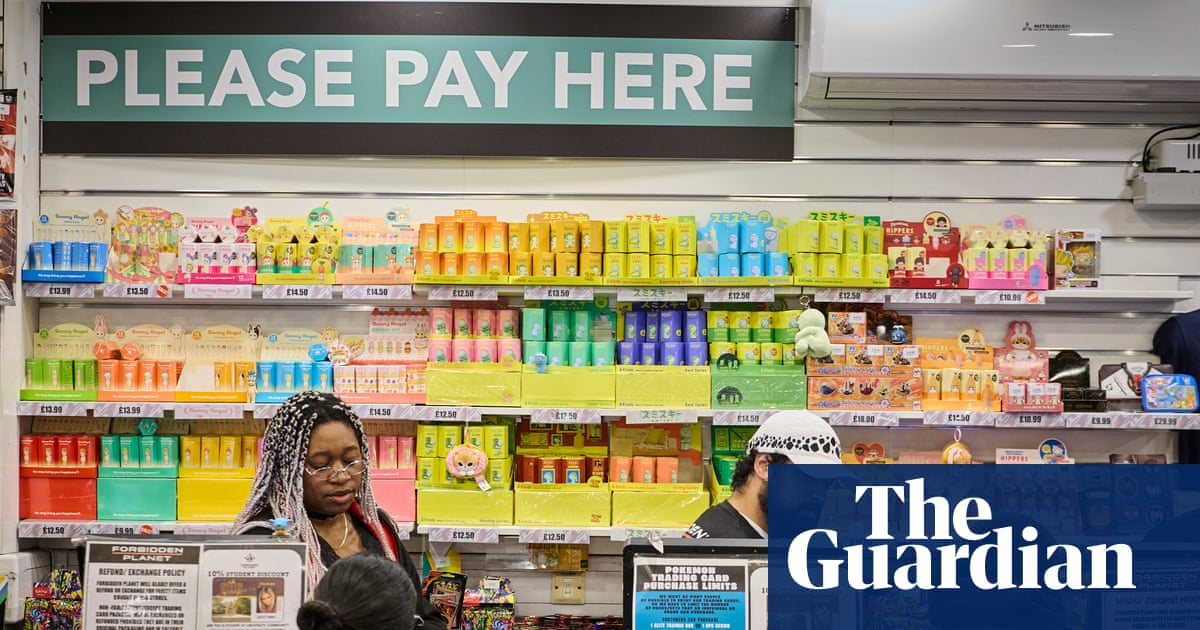
Dozens of collectors and resellers queued overnight outside the Forbidden Planet store in central London on Friday morning to buy the latest Pokémon card release, illustrating how speculative reselling is transforming the trading card hobby. More than 120 people lined up before the store opened at 10 a.m. to purchase limited products, including the £49.99 Delta Reign "elite trainer" box.
Fans in the queue noted that roughly half of those waiting appeared to be resellers intending to list items at steep markups on secondary marketplaces such as eBay. Collectors reported that crypto-style hype and livestream card bidding have driven prices significantly higher, squeezing out longtime hobbyists who now face aggressive competition for newly released stock.
Retailers Enforce Anti-Scalping Policies
To counter bulk buying, Forbidden Planet enforces a limit of one high-demand item per customer alongside a supplier-requested unsealing policy. Opening the boxes at the point of purchase prevents buyers from reselling them as factory-sealed, mint-condition goods.
Other major retailers have also modified their distribution to manage demand. Argos sells trading cards exclusively online, while Amazon uses an invite-only buying system designed to prevent automated scalper bots from acquiring inventory. Despite these rules, determined traders still seek workarounds, including using e-bikes to travel rapidly across stores, swapping clothing to evade purchase limits, or paying cash for products bought by other shoppers.
Supply Shortages and the Impact on Families
Although Pokémon manufactures approximately 10 billion cards annually, production limits continue to fuel shortages. Fandom strategist Calvin Innes said manufacturing capacity cannot keep up with demand, creating a hard supply ceiling that encourages queues, bot activity, and scalping. He noted that while elite trainer and booster boxes are difficult to obtain, single packs are more accessible, and parents can look to dedicated card shops or verified online marketplaces for individual cards.
Local gaming venues are also feeling the strain. Daniel Garnett, owner of the Hull Pops Gaming Centre in East Yorkshire, reported that some parents have attended his free children's gaming sessions strictly to purchase allocated stock rather than stay for play sessions, reflecting the broad pressure speculative buying exerts on the community.
Source: The Guardian.
Questions and answers
- Why are Pokémon cards so difficult to buy at retail prices?
- High demand driven by collectors and speculative resellers has outpaced supply, even with 10 billion cards printed each year. Scalpers frequently buy up limited releases to sell them at steep markups online.
- How are retailers trying to stop Pokémon card scalpers?
- Shops like Forbidden Planet enforce one-per-customer limits and unseal boxes at purchase to prevent mint resale. Other retailers use invite-only systems online to block automated purchasing bots.