Spain’s Daily Set Lunch Faces Pressure from Changing Habits and Rising Costs
A new book examines the origins and uncertain future of the classic Spanish menú del día as modern lifestyles squeeze the lunchtime tradition.
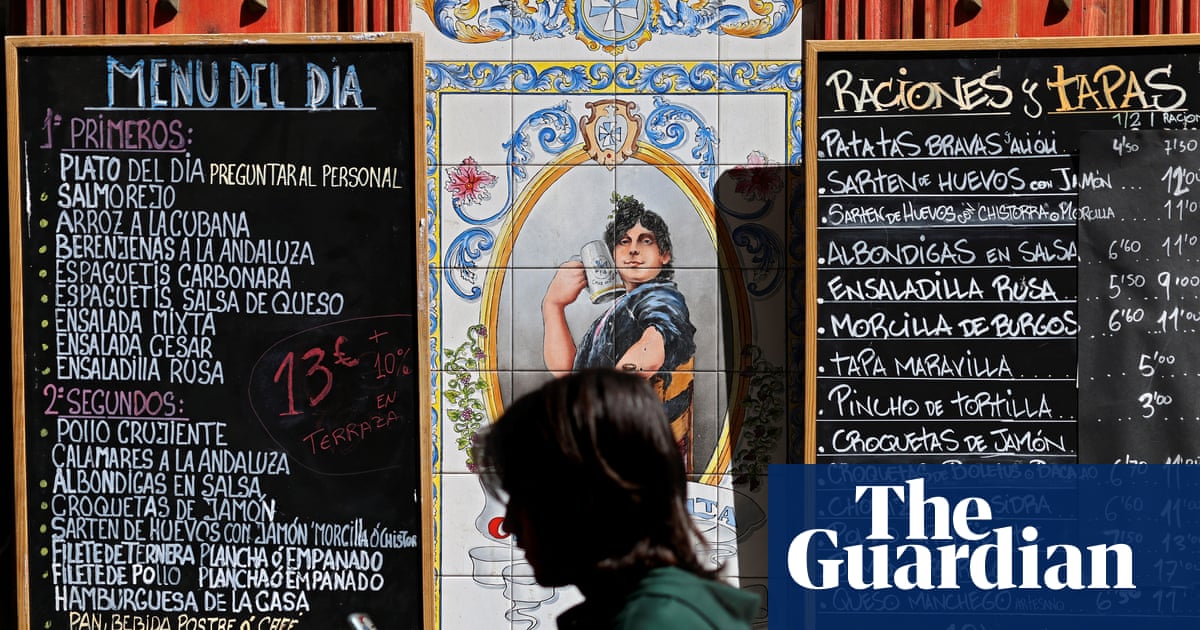
At a glance
- About 4 million daily fixed-price lunches are served in Spain every weekday, but the tradition is declining as habits change.
- The meal originated in the 1960s under Franco's dictatorship as a state-regulated menu for tourists before shifting to local workers.
- Rising food and energy costs alongside busy work schedules threaten the ritual, which now averages €14.70 per meal.
Spain's traditional midday set meal, the *menú del día*, faces growing pressure from changing workplace habits, rising inflation, and evolving lifestyles, according to a new book by Spanish food journalist Lakshmi Aguirre. Although diners across the country still order an estimated 4 million of these fixed-price lunches every weekday, the enduring tradition is gradually losing ground.
In her book, *Menú del Día: Everyday Scenes of a First Course, a Second Course and Pudding*, Aguirre charts the evolution of the custom. Renowned chef Ferran Adrià declared the format dead back in 2009 amid economic shifts and pricier alternatives. However, Aguirre argues that while the custom faces significant hurdles, it has continued to survive.
Dictatorship Origins
Many Spaniards are unaware that the staple originated during the Francisco Franco dictatorship. Created in the mid-1960s by the regime’s information and tourism minister, Manuel Fraga, it was initially a mandatory tourist menu designed to showcase plentiful, affordable food following the hardships of the Spanish civil war. The original mandate required establishments to provide a starter, a main course of meat, fish, or egg, dessert, and wine of at least 12% alcohol content at a set price between 50 and 250 pesetas.
Rebranded in the early 1970s to appeal to the domestic workforce, the formula became a cornerstone of daily routine, offering a starter, main course, bread, drink, and dessert or coffee.
Modern Economic Pressures
Today, the lunch format confronts steep economic and social hurdles. The average price has climbed to €14.70, and rising food and energy expenses make it difficult for small, family-owned restaurants to sustain a rotating list of courses. At the same time, time-pressed employees increasingly bring lunches from home or rely on supermarket ready meals heated in company canteens.
In response, some restaurants now offer a single "dish of the day" as an economical substitute, while others incorporate Latin American dishes to cater to Spain’s changing demographics.
Beyond food, Aguirre stresses that the tradition serves as an important social anchor. It functions as an affordable gathering place for lower-income families, a social outlet for people living alone, and a vital midday pause for working people.
Source: The Guardian World.
Questions and answers
- What is the history behind Spain's menú del día?
- It was created in the mid-1960s by Manuel Fraga, a minister under dictator Francisco Franco, to prove to tourists that food was plentiful and affordable, before being renamed for local diners in the 1970s.
- Why is the menú del día struggling today?
- Higher operating costs, rising food prices, and time-poor workers choosing supermarket ready meals or food brought from home have threatened the classic multi-course tradition.
- How much does a typical menú del día cost today?
- The current average price for the set midday meal in Spain is €14.70.

















