Singapore threatens to prosecute companies over Indonesia fires as haze chokes region
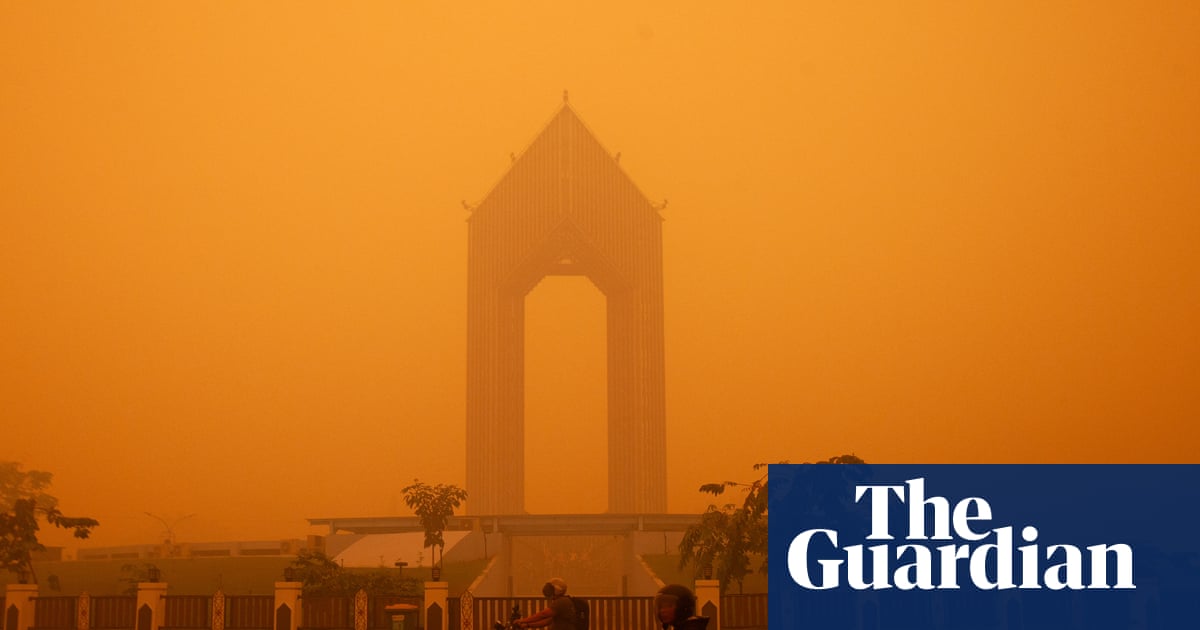
Acrid smoke from Indonesia's worst fires in more than a decade has drifted across south-east Asia, closing schools and driving up respiratory illness.
At a glance
- Singapore says it is identifying companies that may be responsible for the fires and exploring joint action with other countries.
- Smoke has reached Singapore, Malaysia, Brunei, Timor-Leste, the Philippines and Vietnam, closing schools and spiking respiratory illness.
- Indonesia's health ministry reports nearly 280,000 respiratory infections linked to the fires, over 60,000 of them in children under five.
Singapore is threatening to prosecute companies it believes are responsible for some of the worst fires in years in neighbouring Indonesia, as acrid haze from the blazes drifts across south-east Asia and regional frustration builds.
Lawrence Wong, Singapore's prime minister, said his government was handing out masks to vulnerable citizens and working with countries in the region on the smoke. In a Facebook post on Thursday, he said Singapore was "looking into which companies may be responsible for the fires" and exploring "joint action with other countries". The city-state has no plantations or forests of its own, but several companies with concessions in Indonesia are reportedly based there.
Millions affected as schools close
Drier-than-usual conditions have pushed the smoke into Singapore, Malaysia, Brunei and Timor-Leste, and as far afield as the Philippines and Vietnam. Millions of people are affected: schools have closed, respiratory illness is spiking and air pollution indexes have reached unhealthy levels. Malaysians and Singaporeans have been posting images of skyscrapers disappearing into the smog.
Writing in a public letter this week, the veteran Malaysian social activist and former politician Lee Lam Thye said: "Year after year, the haze comes back. It affects our health, closes schools, hurts businesses, and costs us billions." He said real enforcement, and "not just polite words", was needed. "Those responsible must be named, investigated, and punished. Clean air is not a favour. It is a basic right."
Indonesia regularly fights wildfires in the dry season, but these blazes are the most intense in more than a decade. They are exacerbated by slash-and-burn clearing for agriculture, including palm oil, of which Indonesia is the world's largest producer.
Diplomacy strains
Regional diplomats offered help, but the offers were not immediately accepted. On Monday an Indonesian official said the country was "still capable of handling it"; by the end of the week, Jakarta said it would accept assistance. Quiet engagement is the norm among Asean members, and a meeting of regional foreign ministers in the Philippines is not due until next month — possibly too late.
Nerves are fraying. Syahganda Nainggolan, head of Indonesia's government communication agency, hit back at the criticism in remarks that went viral on Saturday. "We don't only send haze," he said. "The oxygen in Singapore and Malaysia comes from our forests." Earlier this month Malaysia's prime minister, Anwar Ibrahim, said Indonesia's president, Prabowo Subianto, had agreed to take the necessary steps, adding that the commitment "must be followed by immediate and effective action from the Indonesian side to tackle the root causes of the haze".
Pressure is growing on Jakarta to declare a national disaster, first from civil society groups and now from Indonesian politicians and neighbours. The Jakarta Post has reported student protests across Kalimantan and Sumatra. In one video a child in a mask stands under a dark orange sky holding a sign reading "Save our little lungs".
Indonesia has dispatched firefighters and announced a crackdown on arsonists, but a disaster declaration would unlock funds and help thousands with medical expenses. On Friday the forestry ministry said four firefighters had been killed in a national park in Java.
Longtime observers say the answer is not only firefighting but targeting the companies involved. Attempts to bring legal action over "transboundary haze" have failed locally and internationally. A Greenpeace report this month identified businesses based in Singapore and Malaysia that it claimed were linked to burning land in Indonesia.
Indonesians bear the brunt of the blazes. The health ministry has reported nearly 280,000 people with respiratory infections linked to the fires, including more than 60,000 children under five. Michelle Dyonisius of Amnesty International Indonesia said civil society was stepping up pressure for a national disaster emergency. "It has been going on for months, affecting millions and millions of people, including abroad," she said. She added there appeared to be "a refusal to acknowledge the gravity of the issue at hand" and a belief that it is under control.
Source: The Guardian Business.
Questions and answers
- Why is Singapore threatening to prosecute companies over the haze?
- Prime minister Lawrence Wong said Singapore is looking into which companies may be responsible for the Indonesian fires and is exploring joint action with other countries. Singapore has no plantations or forests of its own, but several companies with Indonesian concessions are reportedly based there.
- Which countries are affected by the haze from Indonesia's fires?
- Smoke has drifted into Singapore, Malaysia, Brunei and Timor-Leste, and as far afield as the Philippines and Vietnam, causing school closures and spikes in respiratory illness.
- Has Indonesia declared a national disaster over the fires?
- No. Pressure is growing from civil society groups, Indonesian politicians and neighbouring countries to declare one, which would unlock funds and help thousands with medical expenses.

















