Russia and Ukraine Resume Energy Strikes as US Ceasefire Effort Collapses
Strikes against energy targets continue after Donald Trump unilaterally declared a truce that neither warring nation had accepted.
At a glance
- Donald Trump announced a bilateral energy ceasefire that neither Russia nor Ukraine had agreed to observe.
- Russia struck central Ukraine with hundreds of drones, while Ukraine resumed attacks on Russian oil refineries.
- The Trump administration pressured Kyiv to stop refinery strikes by curbing intelligence sharing and Starshield access.
Efforts by the White House to establish an energy ceasefire between Russia and Ukraine have collapsed after both nations launched major strikes against each other's infrastructure this week, directly defying warnings from Donald Trump.
Moscow deployed an overnight swarm of hundreds of drones against sites across central Ukraine, while Kyiv resumed strikes on Russian oil facilities, targeting a refinery in the Ryazan region. Russian authorities claimed the Ryazan facility caught fire from intercepted debris after it was targeted by 69 drones and four Flamingo cruise missiles.
Trump had previously declared an immediate energy ceasefire on TruthSocial, asserting that both nations had consented to halt attacks. However, neither Kyiv nor Moscow confirmed reaching any such agreement. Trump has insisted that Ukrainian President Volodymyr Zelenskyy stop hitting Russian refineries, arguing that the operations were driving up global diesel prices.
Retaliatory Strikes and Escalating Tensions
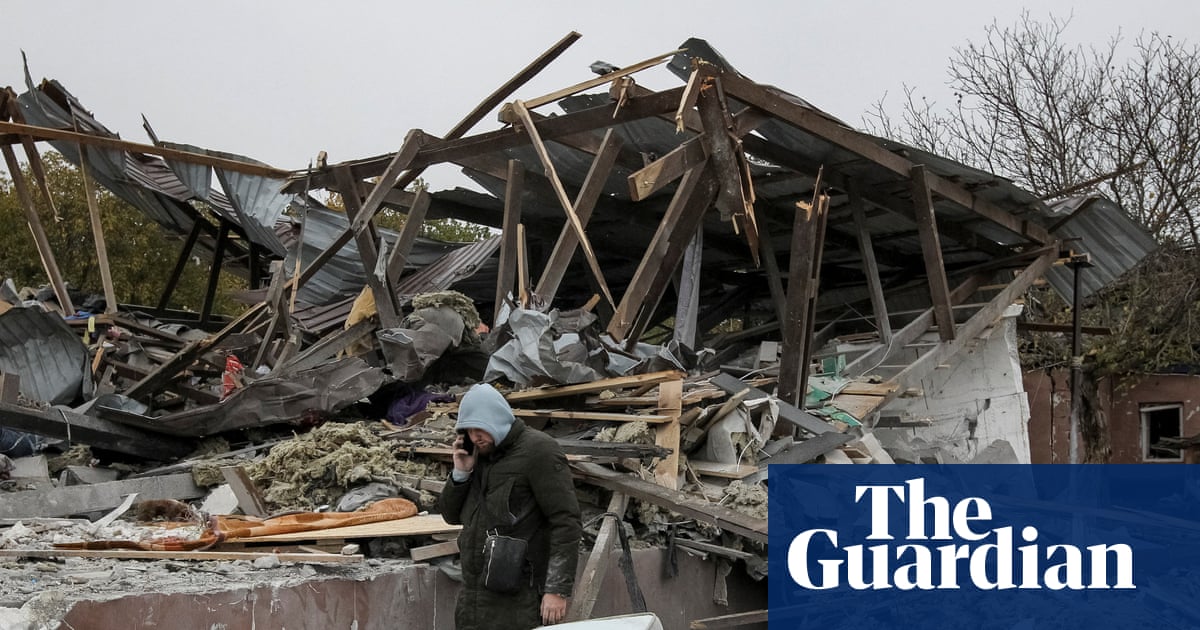
In response to continuous Russian bombardment of power plants, Zelenskyy told the Financial Times that Ukraine's pause on targeting Russian refineries had ended. Russian drone attacks killed three people and injured six others in Ukraine's central Kirovohrad region, hitting logistics facilities, transport enterprises, and homes. Zelenskyy stated that Russia fired more than 850 Shahed drones in total during the onslaught.
The escalation coincided with growing diplomatic friction between Washington and Kyiv. The Trump administration sought to pressure Zelenskyy by threatening to halt military aid and intelligence sharing. Ukrainian officials reported that the United States had stopped providing advance warnings of incoming Russian missile strikes, while soldiers complained that access to US-controlled Starshield communications was restricted, disrupting frontline drone missions.
SpaceX chief Elon Musk denied throttling Starlink systems directly, noting that the network was under US government control, though he publicly called for Zelenskyy's replacement. When asked in an interview whether he felt betrayed by the growing rift with Washington, Zelenskyy answered affirmatively, expressing regret over losing a vital partner.
Source: The Guardian World.
Questions and answers
- Did Russia and Ukraine agree to Trump's energy ceasefire?
- No. Donald Trump unilaterally declared an energy ceasefire on TruthSocial, but neither Russia nor Ukraine agreed to the terms.
- Why did Ukraine resume attacks on Russian oil refineries?
- President Volodymyr Zelenskyy said Ukraine ended its pause after Russia continued heavy missile and drone bombardments against Ukrainian energy plants and civilian infrastructure.
- How did the US pressure Ukraine over the energy strikes?
- The Trump administration threatened arms cutoffs, paused advance intelligence warnings about Russian strikes, and restricted Ukrainian access to Starshield communications.

















