Restaurants that survived Covid face a second crisis: pandemic loan defaults
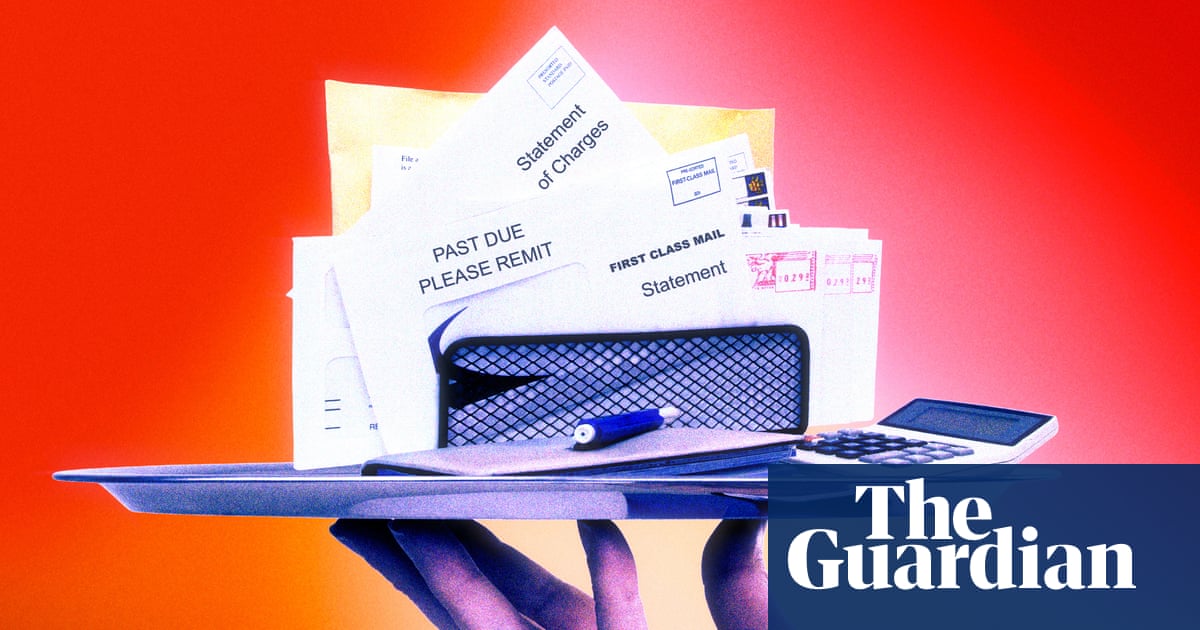
Federal economic injury disaster loans kept many US restaurants afloat during Covid-19, but more than 30% are now in default and some owners face Treasury collection.
At a glance
- The US has issued 3.9m Covid-related EIDLs worth $378.4bn since March 2020, administered by the Small Business Administration.
- A congressional report found EIDL defaults have risen above 30%, with $75.2bn in charged-off loans as of last June.
- Miami cafe owner Jai Mazumdar took $457,000 in EIDLs and still owes a $1,900 monthly payment on a business that keeps losing money.
Jai Mazumdar has run Spice N Curry, an Indian cafe and grocery in a strip mall near Florida International University (FIU) in Miami, for almost 20 years. In early 2021, with Covid-19 having gutted his business, he took out a $370,000 economic injury disaster loan (EIDL) from the federal government. He was confident he could repay the 30-year loan, which carried a 3.75% interest rate and a 30-month deferment, once trade returned to normal. It never did.
The cafe depended heavily on lunch traffic from FIU. With many students and faculty studying and working remotely during and after the pandemic, sales fell sharply. As losses mounted, Mazumdar applied for more EIDL funds and was granted a further $87,000 the following year. Because his combined EIDLs exceeded $200,000, he was required to personally guarantee them, meaning the government could seize his personal assets if he defaulted. Five years later he is struggling with his monthly payments and losing faith that he will ever repay the debt.
A $378bn programme and rising defaults
Since Congress passed the Cares Act in March 2020, the federal government has issued 3.9m Covid-related EIDLs totalling $378.4bn, administered by the Small Business Administration (SBA), with up to $2m available per applicant. Despite the low rates and flexible terms, a congressional report released earlier this year found that defaults had steadily risen above 30%, producing $75.2bn in charged-off loans as of last June.
"Covid was an extinction event for tens of thousands of restaurants," said Erika Polmar, executive director of the Independent Restaurant Coalition, an advocacy group for independent US bars and restaurants. She said survivors that missed out on restaurant revitalization fund grants still had to pay off their debt, and that promised rent relief or eviction moratoriums often fell through.
Mazumdar says his business is worse off today than during Covid, citing high rents, limited consumer spending power, a lack of qualified labour and declining local tourism. "There is a tsunami going on right now," he said.
Personal guarantees and Treasury collection
Borrowers more than 120 days past due are transferred to the US treasury department for collection, which adds fees and penalties typically amounting to about 30% of the principal. Where loans were personally guaranteed, the IRS can garnish wages, tax refunds or a percentage of social security benefits.
Randy Barnette, founder of the Virginia-based Ornery Beer Company, is almost two years past due on a $500,000 EIDL he took out in February 2021. He recalled receiving an SBA email on a Monday and, after a few DocuSign signatures, finding half a million dollars in his account within 48 hours: "It was so easy, I was afraid I was falling for a scam." Expansion plans hit problems. He eventually opened a second restaurant, which still operates, but declining sales forced him to downsize the production brewery and close the original restaurant. With compounded interest, penalties and fees, his bill has grown from $530,000 to more than $750,000. Virginia's homestead exemption protects only $25,000 of home equity per individual.
Dan Jacobs, chef and co-owner of DanDan and EsterEv in Milwaukee, said his business pays close to $5,000 a month to service his 2021 loan, cutting his profit margin by one-third, while sales are down about 15% on last year.
Relief programme expired
The SBA introduced a hardship accommodation plan in November 2022 that let borrowers reduce payments after the deferment period ended, but it expired last March. Barnette stopped paying altogether. John Benson, a small business attorney in Doylestown, Pennsylvania, says his firm has had success getting loans reinstated or settling clients' debts for lesser amounts. Some observers blame the SBA for relaxing creditworthiness standards too far and approving loans small businesses could not repay.
Mazumdar, who as a Florida resident is protected from losing his home if he declares bankruptcy, intends to keep paying on time. Barnette is hoping the midterm elections bring new leadership in Washington and relief for borrowers.
Source: The Guardian Business.
Questions and answers
- What is an EIDL loan?
- An economic injury disaster loan is a low-interest, long-term federal loan administered by the Small Business Administration. Congress funded Covid-related EIDLs through the Cares Act in March 2020, with up to $2m per applicant.
- How many Covid EIDLs are in default?
- A congressional report released earlier this year found that EIDL defaults had steadily risen to over 30%, resulting in $75.2bn in charged-off loans as of last June.
- What happens if a business defaults on an EIDL?
- Loans more than 120 days past due are transferred to the US treasury department for collection, adding fees and penalties of about 30% of the principal. Where loans were personally guaranteed, the IRS can garnish wages, tax refunds or social security benefits.