Minister tells energy suppliers to do more on unpaid bills before £2.5bn write-off
Energy minister Polly Billington met bosses of Britain's biggest suppliers as the government prepares to spend almost £2.5bn writing off record household energy debt.
At a glance
- Energy minister Polly Billington told Britain's biggest suppliers to do more to help households with unpaid energy bills this winter.
- The government plans to spend almost £2.5bn writing off the energy debts of about 2.4m of the hardest-hit households.
- Household energy debt could reach £7bn by the end of the year, with average homes paying about £50 a year to service unpaid bills.
An energy minister has urged the bosses of Great Britain's largest energy suppliers to step up efforts to help households get on top of unpaid bills this winter, ahead of a government plan to spend almost £2.5bn writing off record levels of energy debt.
Polly Billington, the minister for energy consumers, met suppliers including Octopus Energy, British Gas and EDF Energy at an online roundtable on Thursday. The meeting covered the government's plan to pay down the debts of about 2.4m of the hardest-hit households.
Debt relief and the "circuit-breaker"
The relief scheme forms part of a wider "circuit-breaker" strategy set out by the chancellor in last month's budget statement. Household energy debt could reach £7bn by the end of the year.
Billington is understood to have told the bosses that suppliers would still play a "crucial role" in tackling the longstanding problem alongside the government's multibillion-pound support package. Suppliers are expected to identify customers who may be under financial strain and offer help such as debt payment plans or referrals to debt advice services.
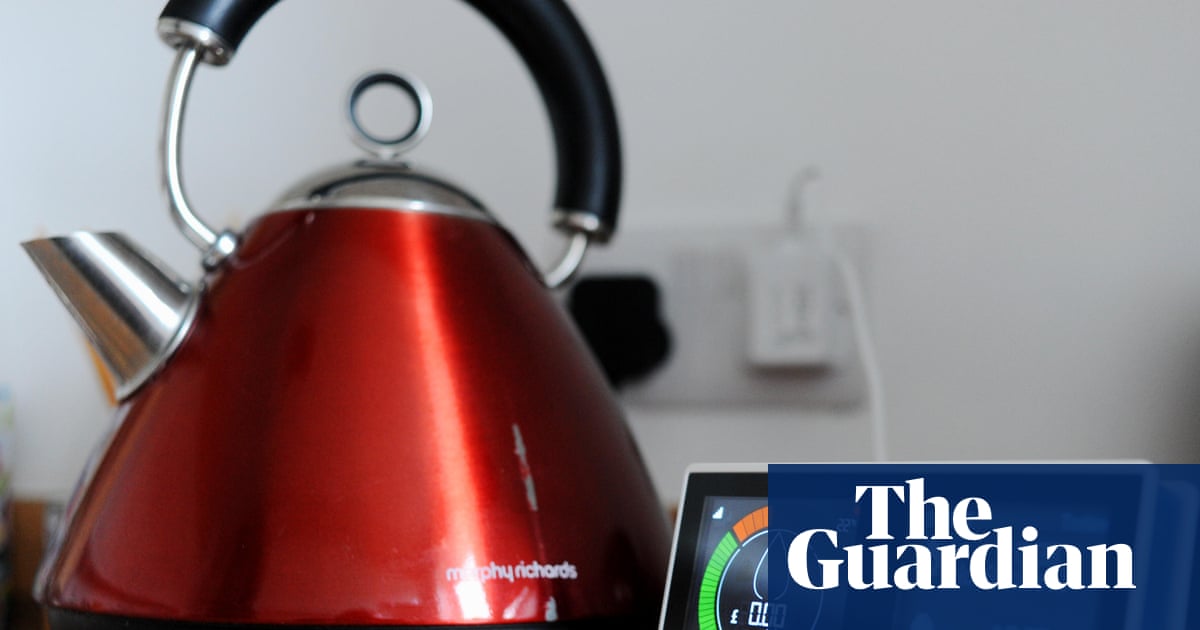
The government also wants to work with the industry to make it easier to spot households that need extra help and to modernise payment systems. It has backed the use of smart meters and smart pre-pay meters so households can track spending and avoid falling into arrears.
One attendee of the online roundtable said there was "clearly a lot of ambition" behind the government's plans, and that the minister wanted suppliers and consumer groups brought together "to make sure it is delivered".
Senior leaders from the six largest energy suppliers attended, along with representatives of the trade association Energy UK, the fuel poverty charity National Energy Action and five consumer advice groups including Citizens Advice.
Costs passed to other billpayers
In a statement after the meeting, Billington said: "I know that energy debt weighs heavily on millions of families across the country. That affects all of us, with the costs passed on to other billpayers."
The average household currently pays about £50 a year on its energy bill to service unpaid energy bills across the market, a figure likely to rise without action to shrink the debt pile. The government believes the one-off relief scheme and measures to stop debt building up again could save all households about £130 on average over the next 10 years.
Gillian Cooper, director of energy at Citizens Advice, who attended the meeting, said that with typical annual energy bills predicted to rise again in January it was "essential" that the initiative "not only tackles existing energy debt, but also includes protections to help prevent households from falling into it in the first place".
About 40% of unpaid bills are understood to build up during the process of moving home. The government plans reforms including a new obligation on landlords to provide meter readings and moving dates to their supplier when a tenant moves in or out of a property.
Rachel Fletcher, a director at Octopus Energy, said she was "pleased to see a focus on improving what suppliers do to prevent customers from falling into debt in the first place", adding that nothing in the package should weaken suppliers' incentive to keep innovating and investing.
Source: The Guardian Business.
Questions and answers
- What is the government's energy debt relief plan?
- It is a one-off scheme to pay down the energy debts of about 2.4m of the hardest-hit households, part of a wider "circuit-breaker" strategy announced in last month's budget. The government plans to spend almost £2.5bn on it.
- Who attended the roundtable with the energy minister?
- Senior leaders from the six largest energy suppliers, including Octopus Energy, British Gas and EDF Energy, plus Energy UK, the charity National Energy Action and five consumer advice groups including Citizens Advice.
- How much do households pay towards other people's unpaid energy bills?
- The average household pays about £50 a year on its energy bill to service unpaid bills across the market. The government says its measures could save all households about £130 on average over 10 years.















