Milan braces for new protests as Italy debates its 'lost generation'
A journalist was injured during clashes in Milan, where more than 271 young people were detained over two days of unrest.
At a glance
- Hundreds of young people protested in Milan over living costs and housing; more than 271 were detained over two days of unrest.
- Journalist Martina Miccichè was injured while filming police beating a teenager and said officers turned suddenly violent.
- Italy's government sent 500 troops to Milan and made parents financially liable for their children's vandalism and looting.
A journalist was injured in central Milan on Saturday while filming police officers beating a teenager, as hundreds of mostly young people marched against soaring living costs and unaffordable housing. More than 271 young people were detained over two days of unrest, 32 of them arrested, and further protests are planned for Saturday in Milan and other Italian cities.
Martina Miccichè, who needed stitches after being struck near her right eye by a flying object, said the atmosphere in Piazza del Duomo was peaceful until about 5pm, when police blocked access to Via Broletto. She said officers turned "suddenly violent", pushing the crowd back with shields and grabbing people at random, and that police filled the square with teargas while tourists looked on.
Looting in the fashion district
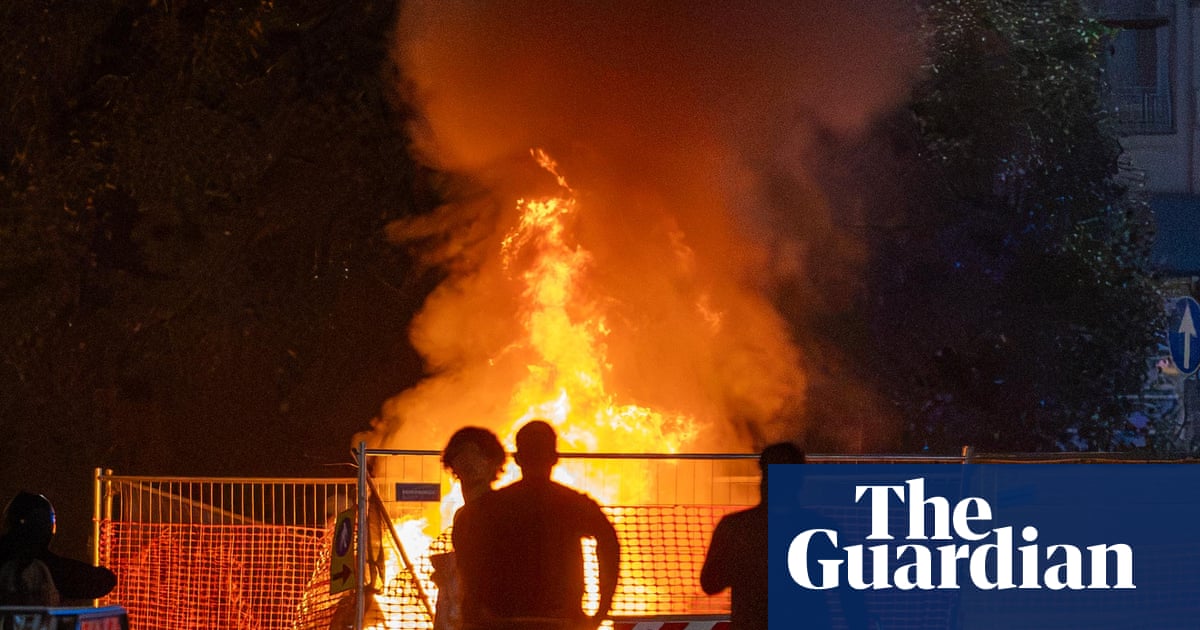
As clashes continued, a group of masked youths headed to the nearby fashion district, tearing down road signs, setting bins alight and smashing and looting shop windows, including those of Footlocker and Levi's. Vandalism resumed on Sunday, with gangs coming largely from marginalised areas on the city's outskirts, many drawn by the promise of luxury goods circulated through social media chats. Of those detained over the weekend, 32 were arrested, including 23 minors and 13 foreign nationals.
Government response
Giorgia Meloni's government responded quickly. It enacted measures targeting minors and made parents financially accountable for their children's vandalism and looting, dispatched 500 troops to Milan, criminalised violent participation in demonstrations and toughened penalties for rioters. Similar security measures are now being applied in southern Italy, where lorry drivers have protested against high petrol prices for more than a week, blocking roads and disrupting supermarket supplies. Seventy-one people have been reported to judicial authorities and 242 fined.
'They just want to be heard'
The unrest, which also included protests in Turin and Bologna, has intensified debate over Italy's "lost generation". At Barona, a council estate in south-west Milan, Domenico Ricci said there was "a lot of discontent". Luca Orlando, who manages a bar at the Barrio's cultural hub, said the looting was a symptom of anger and of young people feeling unheard and invisible. Thomas, 18, who is training to be a chef, said he saw no future in Italy; his friend Mohamed, an Italian citizen of Moroccan origin, said the less a government listens, the angrier people become.
Sociologist Mauro Magatti of Milan's Catholic University of the Sacred Heart said a sense of abandonment affected an entire generation and warned that excessive repression risked enlarging the protest. Miccichè said politicians must listen, adding that protests were only set to amplify ahead of general elections next year.
Source: The Guardian World.
Questions and answers
- Why are young people protesting in Italy?
- They are demonstrating over soaring living costs and unaffordable housing, part of a wider wave of economic discontent across Europe. Protests have also taken place in Turin and Bologna.
- What happened during the Milan protests?
- Clashes broke out after police blocked access to a street; officers used teargas and more than 271 young people were detained over two days, while masked youths looted shops in the fashion district.
- How has Italy's government responded?
- Giorgia Meloni's government dispatched 500 troops to Milan, introduced measures targeting minors including parental financial responsibility for vandalism, and toughened penalties for rioters.