Lula's runoff win over Flavio Bolsonaro offers lessons for climate campaigners
The Guardian analysis says Brazil's comeback victory, sealed as Amazon deforestation fell, offers a playbook for movements facing the far right elsewhere.
At a glance
- Luiz Inácio Lula da Silva defeated extreme-right challenger Flávio Bolsonaro in Brazil's presidential runoff.
- Amazon deforestation fell 71.2% under Lula after rising 59.5% during Jair Bolsonaro's 2019-2022 term.
- Bolsonaro allies hold seven of nine Amazon state governorships and agribusiness dominates congress, the analysis warns.
Luiz Inácio Lula da Silva won Brazil's presidential runoff on Sunday, defeating extreme-right challenger Flávio Bolsonaro in a comeback that The Guardian says should inspire environmental and social justice movements in other countries facing elections, including the US, Spain and France.
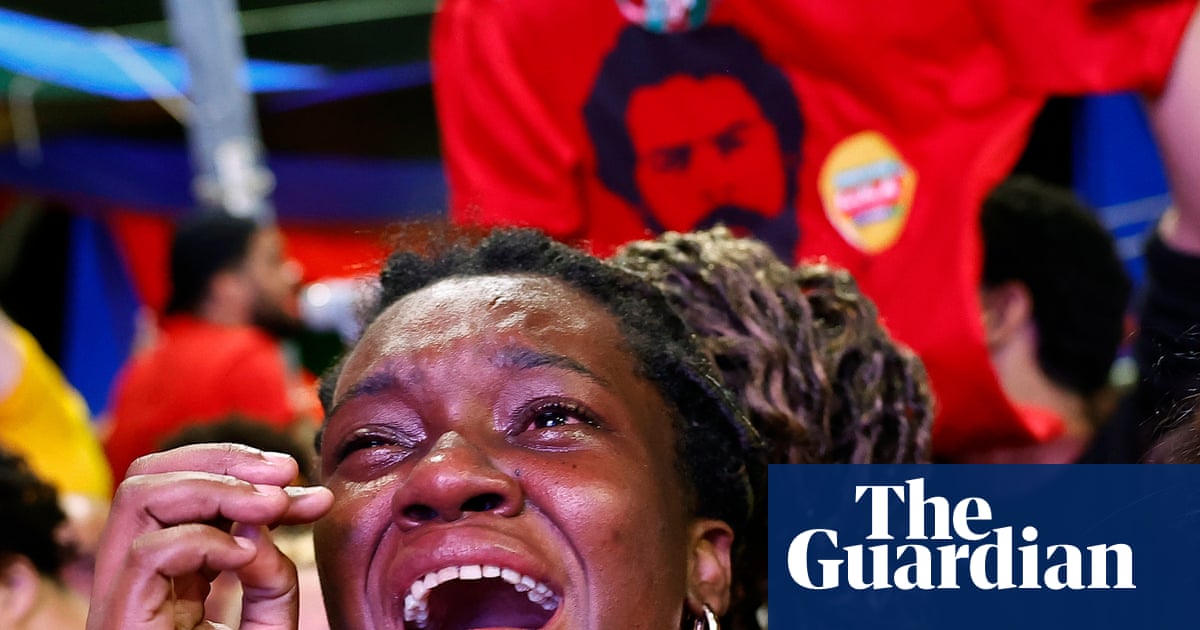
Rapturous supporters filled the streets after the result, which also thrilled conservationists and climate activists worldwide. It followed an announcement by the Lula administration of a record fall in Amazon and Cerrado destruction, raising hopes Brazil can reach its target of zero deforestation by 2030 and keep supporting a global shift away from fossil fuels. That, the analysis says, would boost flagging efforts to stabilise the climate and set an example of global south leadership.
Deforestation record
Under the 2019-2022 term of Jair Bolsonaro, Amazon deforestation surged 59.5%, the highest of any four-year presidency in Brazil, the piece notes. It fell 71.2% during the Lula administration, with forest loss over the past year at 3,335 sq km — the lowest level since satellite measurements began in 1988. Lula is not an environmentalist, the analysis adds, and has approved several destructive projects himself, but he listens to social movements.
Obstacles remain
Far-right members of Bolsonaro's party won the governorships of seven of the nine Amazon states, and many municipal mayoralties. Brazil's congress is dominated by agribusiness and mining interests expected to push for more extractive industry on Indigenous lands, expanded road-building, river privatisation and weaker environmental protections — and possibly an attempt to impeach the president. Lula, alone among the main South American leaders, has not aligned with Donald Trump's "Shield of the Americas", leaving him exposed to pressure from Washington to channel critical minerals to the US rather than sell to China or Europe. Accelerating global heating, meanwhile, pushes the Amazon closer to the point of no return.
Seven lessons
The analysis lists seven takeaways: politics matters, because defeating the far right is the highest environmental priority; don't give up, since no first-round loser had ever come back to win the runoff and Lula added 10m votes in three weeks; mobilise a campaign army, after federal deputy André Janones launched a "Lula's Army" WhatsApp group that grew to 10m "soldiers", about 8% of the electorate; take on US tech giants, after the campaign accused Meta of favouritism towards Bolsonaro — Meta denied bias but acknowledged technical failures, and Brazil's electoral court ordered corrective action; reclaim the flag, with Lula posing in the national football strip; increase social spending, including a 15% rise in Bolsa Família poverty relief and a promise to raise the minimum wage; and defend sovereignty, democracy and sustainability.
The former environment minister Marina Silva told victory celebrations that Brazil had come together against those threats, praising the people who "emerged from every corner of Brazil to sow hope for a future that is socially just, sovereign, democratic and sustainable". The analysis concludes that Brazil has given the world a remarkable example of hope through action, and that others now need to follow.
Source: The Guardian World.
Questions and answers
- Who won Brazil's presidential runoff?
- Luiz Inácio Lula da Silva defeated extreme-right challenger Flávio Bolsonaro in Sunday's runoff, overturning a first-round defeat.
- What happened to Amazon deforestation under Lula and Bolsonaro?
- The Guardian analysis says deforestation fell 71.2% under the Lula administration, after rising 59.5% during Jair Bolsonaro's 2019-2022 term, with last year's forest loss the lowest since 1988.
- What challenges does Lula face after winning?
- Bolsonaro's party won seven of nine Amazon state governorships, congress is dominated by agribusiness and mining, and Washington may press Brazil over critical minerals, the analysis says.

















