London robotaxi rollout faces growing opposition from drivers and politicians
Uber drivers plan protests outside Wayve's London base as the London assembly calls for TfL to be given powers over autonomous taxi services.
At a glance
- Uber drivers will protest outside Wayve's London base from Saturday over plans for robotaxis in the capital.
- London's assembly transport committee wants TfL given power to permit or suspend autonomous passenger services.
- Uber plans to deploy 100,000 Nvidia robotaxis worldwide from next year, and UK trials have expanded to Manchester.
Opposition to London's robotaxi rollout is mounting, with Uber drivers planning protests outside the London headquarters and depot of autonomous vehicle company Wayve this weekend, and the London assembly's transport committee demanding that Transport for London (TfL) be given full powers to permit or suspend autonomous passenger services.
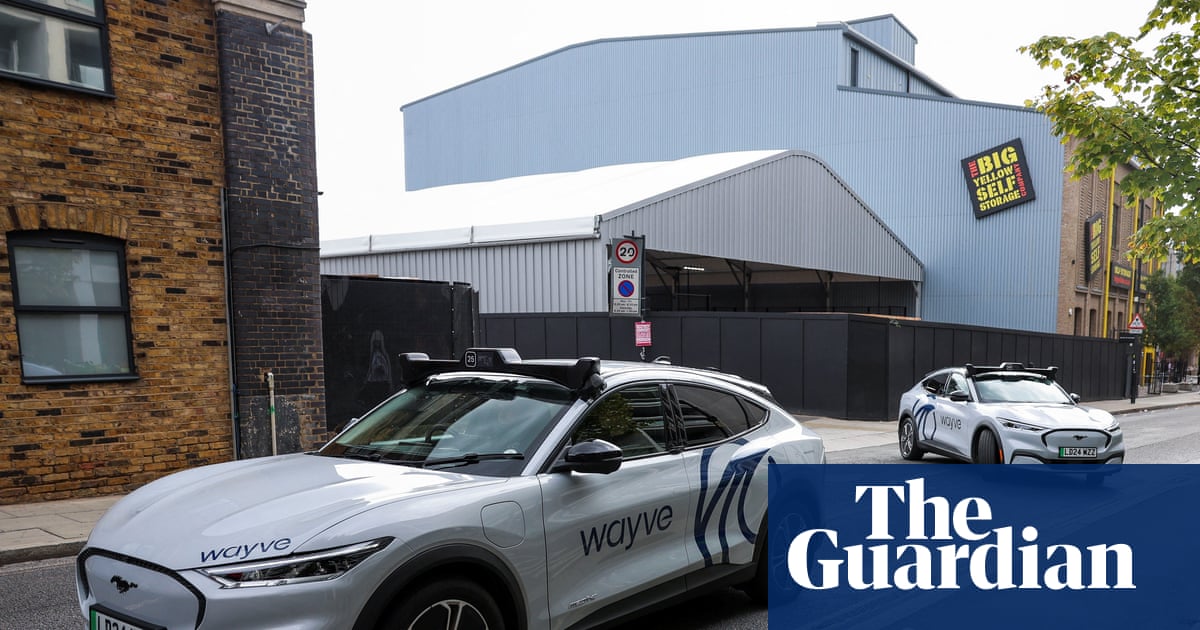
Wayve has partnered with Uber to supply London's first autonomous cabs for hire. More than 100,000 people have joined Uber's waitlist in London since the first UK services began in September, and driverless car trials expanded to Manchester this week.
The App Drivers and Couriers Union (ADCU) is organising protests outside Wayve's base from Saturday, following a similar action at Waymo's Park Royal site in August. Drivers fear for their livelihoods.
"Our earnings are the same or even lower since I started – and with the robotaxis on the market it could get even worse," said Florentina Ghiuzan, 42, an Uber driver from Essex and ADCU member. She said she was told about the start of autonomous services as a customer but received no notification as a driver.
Faisal Osman, 51, an Uber driver in east London for 12 years, called robocabs "a massive concern" and said he had hoped authorities would say no. Abdurzak Hadi, the ADCU's London chair, said drivers would be competing with a machine that does not tire and can work around the clock.
Who decides
Under current rules, TfL licenses passenger services but the government decides whether autonomous vehicles can operate. TfL has approved the start of Uber and Wayve's limited robotaxi services, which keep a human safety driver in the front seat. For fully autonomous services, the Department for Transport would issue permits, with TfL able only to grant or refuse consent rather than regulate their use on London's streets.
The assembly committee's report, published this week, cited "considerable uncertainty around many of the claimed benefits of autonomous passenger vehicles" and raised concerns about public transport, congestion, safeguarding and accessibility. Committee chair Caroline Russell said London should first identify the transport problems it wants to solve rather than accept operators' proposed model.
A spokesperson for Mayor Sadiq Khan said he shared concerns about safety, congestion and jobs, and that any changes had to work for London's transport system and those who drive for it.
Jobs and industry response
Uber has announced plans to deploy 100,000 Nvidia robotaxis worldwide starting next year, and senior executives have suggested all new cars could be autonomous by 2040. In San Francisco, Waymo's fully autonomous cars already handle more than a quarter of all rides.
A report from the Centre for British Progress said more than 400,000 UK drivers, 121,000 of them in London, would soon find much of their work obsolete, and urged the government to tax autonomous vehicles to help pay for the social consequences. The GMB union has called for a "just transition" to help drivers reskill.
Roads minister Justin Madders told the Labour conference that autonomous vehicles could bring opportunities for well-paid, unionised jobs and that Britain wanted to be a world leader in the technology, while acknowledging that government had sometimes failed to consider the impact on workers.
An Uber spokesperson said drivers and automated vehicles were expected to grow side by side for some time, but added that the company should not hide the impact of autonomous mobility on workers and communities. Wayve said it was taking a "deliberately phased approach" and argued its robotaxis could improve road safety and expand connectivity.
Source: The Guardian Business.
Questions and answers
- Who is protesting against robotaxis in London?
- Drivers represented by the App Drivers and Couriers Union are planning protests outside Wayve's London base from Saturday, after a similar action at Waymo's Park Royal site in August.
- Who decides whether robotaxis can operate in London?
- TfL licenses passenger services, but the government decides whether autonomous vehicles can operate. For fully autonomous services, the Department for Transport would issue permits, with TfL able only to grant or refuse consent.
- How many UK driver jobs could robotaxis affect?
- A Centre for British Progress report said more than 400,000 UK drivers, including 121,000 in London, would soon find much of their work obsolete, and urged a tax on autonomous vehicles.















