How to Stock a Home Medicine Cabinet for Cold and Flu Season
Health experts recommend gathering targeted single-symptom remedies, hydration supplies and basic tools before fall and winter illnesses strike.
At a glance
- Experts recommend preparing a home sick-day kit before cold and flu season peaks between October and May.
- Pharmacist Alisha Reed advises choosing single-symptom medications over multi-symptom products to avoid accidental overmedication.
- Supplies to keep on hand include fever reducers, saline spray, a thermometer, rehydration drinks and honey for patients over one year old.
As cold and flu season gets underway across the United States, health professionals are advising households to assemble home care kits before respiratory illnesses strike. According to the Centers for Disease Control and Prevention, the seasonal wave of viruses begins in October and often continues through May. Cooler, drier conditions leave people more vulnerable to common colds, influenza, RSV and COVID-19, making advance preparation essential to avoid scrambling for supplies while sick.
Pediatrician Mona Amin and pharmacist Alisha Reed emphasize that common respiratory viruses cannot be treated with antibiotics and are usually managed at home. Instead of purchasing combination cold formulas, Reed recommends buying medications that target individual symptoms. Multi-symptom products often contain extra ingredients that increase the chance of accidental overmedication.
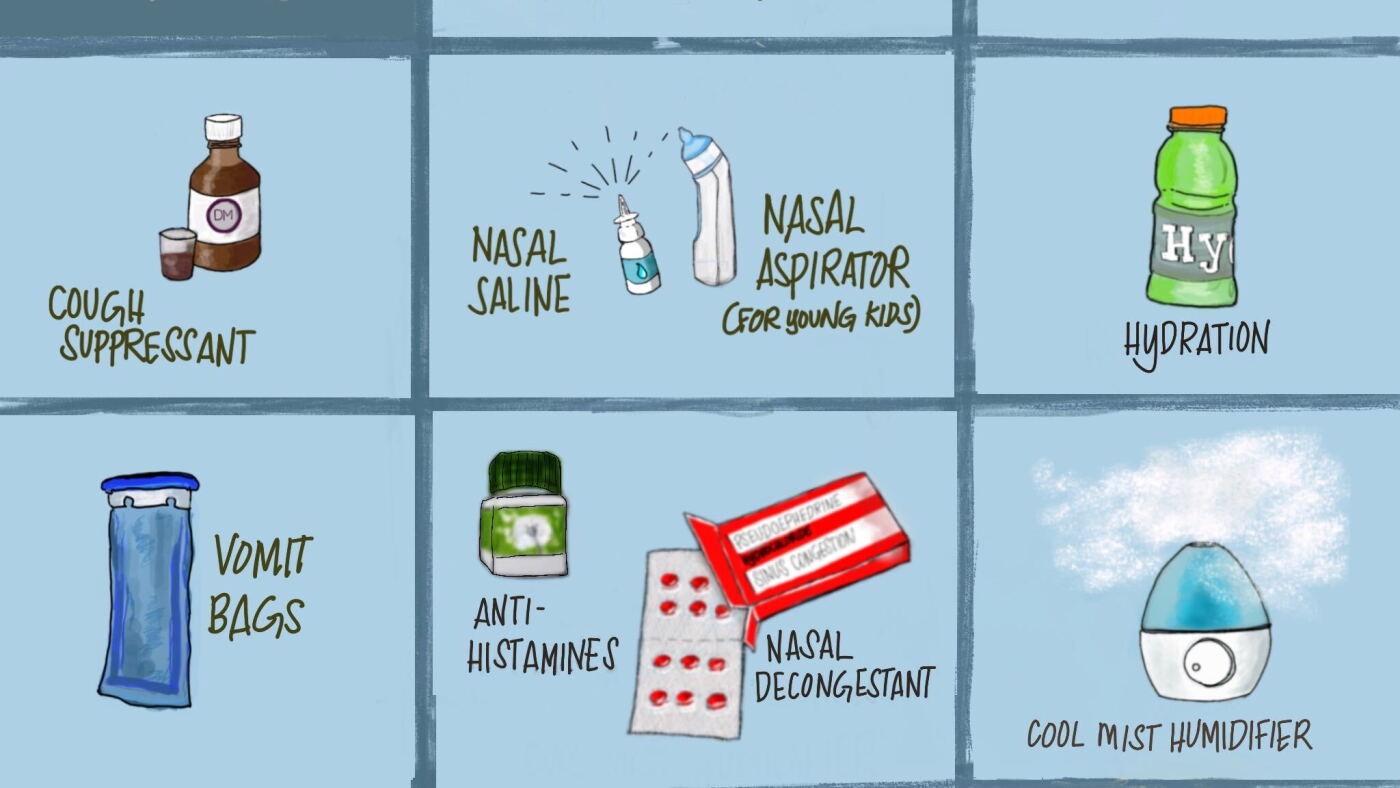
Key medications to consider include pain and fever relievers such as ibuprofen, naproxen or acetaminophen, the latter often being preferred for reducing fevers. Antihistamines can relieve runny noses and watery eyes, while decongestants like pseudoephedrine ease sinus pressure. For a dry cough, dextromethorphan helps suppress the cough reflex, while guaifenesin assists in loosening congested chest mucus. Reed notes that drinking water also acts as an effective, natural expectorant.
In addition to pharmaceuticals, the experts advise stocking monitoring tools and supportive care items. Thermometers are vital, with rectal thermometers preferred for children age 3 and younger, and oral models favored for older patients. Saline nasal sprays help keep nasal passages moist and loosen mucus, which research suggests can shorten symptom duration in young children. Honey works well to soothe coughs and coat the throat in older children and adults, though it must never be given to infants under one year old due to the risk of infant botulism.
Other practical supplies include cool-mist humidifiers, disposable vomit bags and rehydration drinks such as Pedialyte, water, apple juice or sports drinks to replace lost fluids. Both experts stress following package dosage instructions, checking expiration dates and contacting a doctor or pharmacist whenever concerning symptoms arise.
Source: NPR News.
Questions and answers
- Why should you choose single-symptom cold medicines over multi-symptom products?
- Multi-symptom medicines often contain unneeded active ingredients, which can increase the risk of accidentally overmedicating yourself.
- Why is honey not recommended for infants under 12 months?
- Honey should not be given to children younger than one year because it carries a risk of infant botulism.
- What type of thermometer is best for young children?
- Pediatrician Mona Amin recommends rectal thermometers for children aged 3 and under, while oral or digital infrared thermometers work well for older individuals.