Herzog to decide Sunday who forms Israeli government as Eisenkot leads endorsements
Israel's president says he will choose on Sunday between Gadi Eisenkot, backed by 67 lawmakers, and Benjamin Netanyahu, backed by 46, after talks failed to break the deadlock.
At a glance
- Israel's president, Isaac Herzog, will decide on Sunday which candidate should try first to form a government.
- Gadi Eisenkot has endorsements from 67 of the Knesset's 120 lawmakers, while Benjamin Netanyahu has 46.
- Parties representing Israeli Palestinians hold a record 19 seats after Arab Israeli turnout more than doubled to about 80%.
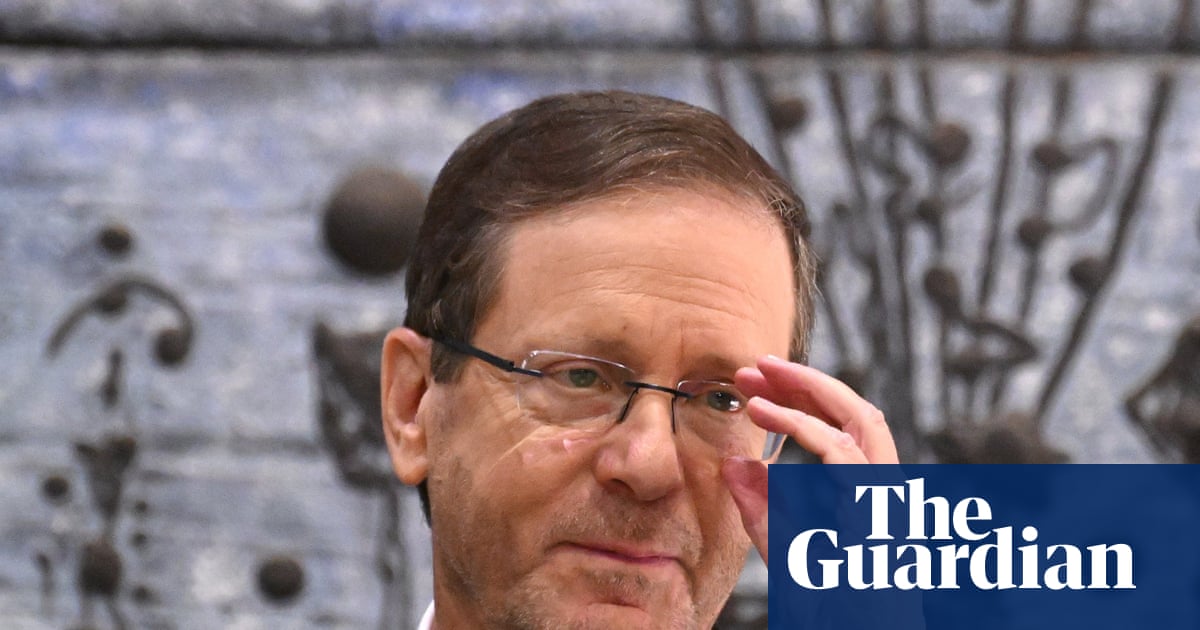
Israel's president, Isaac Herzog, said on Thursday that he will decide on Sunday whether Gadi Eisenkot or Benjamin Netanyahu should be given the first chance to form a government, after several days of consultations left the outcome of last month's election unresolved.
By Thursday, 67 of the Knesset's 120 lawmakers had endorsed Eisenkot, a former military chief of staff and Netanyahu's main rival, while 46 had endorsed Netanyahu. Herzog said that although the "results of the consultations may appear clear", "mutual vetoes between the blocs and within the blocs themselves" made it hard to judge who had the best chance of building a stable coalition. He said he would hold personal talks with some party leaders over the Israeli weekend of Friday and Saturday.
Neither side has a clear path
The election, seen by many observers as one of the most consequential for Israel in decades, left neither man with an obvious route to power. Netanyahu's nationalist-religious coalition, the most rightwing government in Israel's history, lost its governing majority, falling from 68 to 53 seats.
The Change bloc of Zionist parties led by Eisenkot holds 48 seats, leaving parties representing Israeli Palestinians as potential kingmakers with a record 19 seats — 11 for the Joint List and eight for the more conservative, Islamist Ra'am.
In Israel's system, the otherwise largely ceremonial president chooses the candidate with the best initial chance of forming a government. Both Arab-majority parties backed Eisenkot, according to Haaretz. United Torah Judaism, though often aligned with Netanyahu, endorsed neither man.
Record turnout among Arab Israelis
Turnout among Arab Israelis — Palestinians with Israeli citizenship, who make up 20% of the population — more than doubled to about 80%, transforming the political landscape. Palestinians in the occupied West Bank and Gaza had no vote.
Yousef Jabareen, who leads Israel's main Palestinian coalition, said there were "disagreements with Eisenkot on many issues" but that Palestinian voters wanted change after facing intensified racism, discrimination, crime and exclusion under the current coalition. "We are not choosing between good and better but between what we see as bad and even worse," he said, according to Israeli media.
Eisenkot has attached conditions to any coalition with Arab parties: they must recognise that Israel is a Jewish state, accept compulsory national service, civil or military, and denounce Hamas as a terrorist organisation. Jabareen and the Joint List have suggested they would support an opposition from the outside with tactical voting in the Knesset, while Ra'am has said it would join a government led by Eisenkot.
Herzog, who has called on all sides to help avert another election, said "an immense responsibility rests upon us" given the security and diplomatic challenges facing the country.
Netanyahu stays on as caretaker
Netanyahu remains prime minister in a caretaker government until a new coalition is formed or another election is held, which must happen if no candidate succeeds. The 77-year-old political veteran did better than expected and his Likud party won the most seats, but his coalition lost its majority.
At risk of losing power, Netanyahu has seized on an investigation by election officials into possible vote tampering to cast doubt on the results, accusing Israeli Palestinian-led parties of stealing the vote. Critics accuse him and his partners of trying to undermine the results, which he denies.
Israel's Central Election Committee said on Wednesday that the election's integrity had not been compromised. Its head, supreme court justice Noam Sohlberg, called on elected officials to protect public trust, telling Herzog that the peaceful transfer of power was one of the foundations of democracy.
Netanyahu's allies on the far right, including national security minister Itamar Ben-Gvir, have called for the immediate arrest and interrogation of Arab party leaders.
Source: The Guardian World.
Questions and answers
- Who will form Israel's next government?
- President Isaac Herzog is due to decide on Sunday between Gadi Eisenkot, backed by 67 lawmakers, and Benjamin Netanyahu, backed by 46, after consultations left no candidate with a clear path to a majority.
- Why was Arab Israeli turnout important in this election?
- Turnout among Arab Israelis, who make up 20% of the population, more than doubled to about 80%, giving parties representing Israeli Palestinians a record 19 seats and making them potential kingmakers.
- What happens if no candidate can form a coalition?
- Benjamin Netanyahu remains prime minister in a caretaker government, and another election must be held if no candidate succeeds in forming a coalition.

















