EU presses UK to guarantee discounted university tuition fees for European students
At least six member states want a British pledge on domestic-rate tuition fees before the 20 November Brussels summit, with other deals linked to the outcome.
At a glance
- At least six EU member states want the UK to guarantee domestic-rate tuition fees for EU students by the 20 November Brussels summit.
- EU negotiators proposed a six-month delay on tuition fees to help the summit succeed, a move those member states oppose.
- EU officials link the food and drink deal, estimated at £5.1bn a year, to a satisfactory agreement on tuition fees.
The EU is seeking a firmer commitment from the UK that European students will pay discounted, domestic-rate university tuition fees, ahead of a summit in Brussels on 20 November. At a meeting of senior EU diplomats on Wednesday, at least six member states called for a clear British pledge by the time of the summit, according to four EU sources.
Those member states, including countries in central and eastern Europe, oppose postponing the issue for another six months. Many believe that a failure to reach agreement should delay the food and drink deal designed to cut Brexit red tape.
Diverging positions
European Commission negotiators have proposed deferring agreement on tuition fees by six months to help ensure the November event succeeds. At the summit, Andy Burnham is due to meet the EU leaders Ursula von der Leyen and António Costa, with the aim of signing three agreements — on food and drink, carbon markets and youth exchange — and pledging a "trusted partnership" on steel and defence.
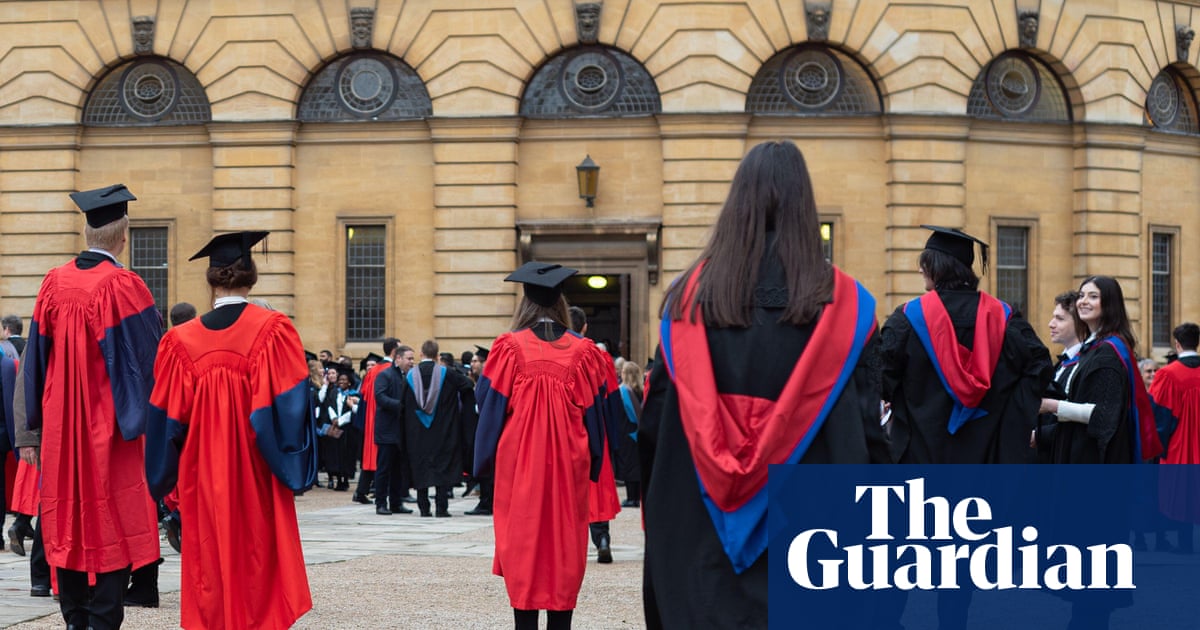
The EU wants a return to the pre-Brexit arrangement, under which European students paid the UK domestic tuition rate rather than international fees, which can be about four to six times higher for an undergraduate degree.
One EU diplomat said: "Having a youth experience scheme without an agreement on tuition fees has very little added value," pointing to the much lower cost of university education in many EU countries and the potential greater advantage to British students. A second diplomat expressed cautious optimism about the summit but said "a large majority" wanted "a more convincing British commitment" on fees.
A UK government spokesperson said: "We do not comment on leaks or provide a running commentary on live negotiations. We are building an ambitious, close relationship with the EU that will strengthen our economy, protect British industry, and create more opportunities for young people across the UK."
Leverage and linked deals
For the EU, the youth experience scheme — known as Yes, which would let people aged 18 to 30 live, work and study on both sides of the Channel — is a high priority. EU officials argue the bloc has leverage: the food and drink deal, a Labour manifesto pledge estimated to be worth £5.1bn a year to the British economy, would come into force only with a satisfactory agreement on tuition fees. Relinking emissions trading systems could also be delayed, and EU sources have suggested talks on British reintegration into the European electricity market could slip, with the UK required to pledge an "appropriate" contribution to European cohesion funds.
A leaked draft summit statement looks forward to the agreements' "joint and timely entry into force". The Guardian reported this week that the UK was prepared to spend up to £450m a year on discounted fees for EU students if Brussels granted access to the Made in Europe industrial programme. The EU has said there will be no deal on Made in Europe at the summit while it finalises its position on the Industrial Accelerator Act, and France and Germany's compromise on that issue covers cars only. The draft statement does propose a "trusted partnership" on strategic industries, starting with steel and defence.
Source: The Guardian.
Questions and answers
- What does the EU want from the UK on university tuition fees?
- The EU wants a return to pre-Brexit rules under which European students paid the UK domestic tuition rate, rather than international fees that can be about four to six times higher for an undergraduate degree.
- When is the UK-EU summit and who is attending?
- Andy Burnham is due to meet the EU leaders Ursula von der Leyen and António Costa in Brussels on 20 November, aiming to sign agreements on food and drink, carbon markets and youth exchange.
- Could the tuition fee dispute delay other UK-EU deals?
- Yes. EU officials say the food and drink deal, estimated to be worth £5.1bn a year to the British economy, would come into force only with a satisfactory agreement on tuition fees, and the emissions trading link could also be delayed.