Brazil's Left-Wing President Lula Elected for Fourth Term
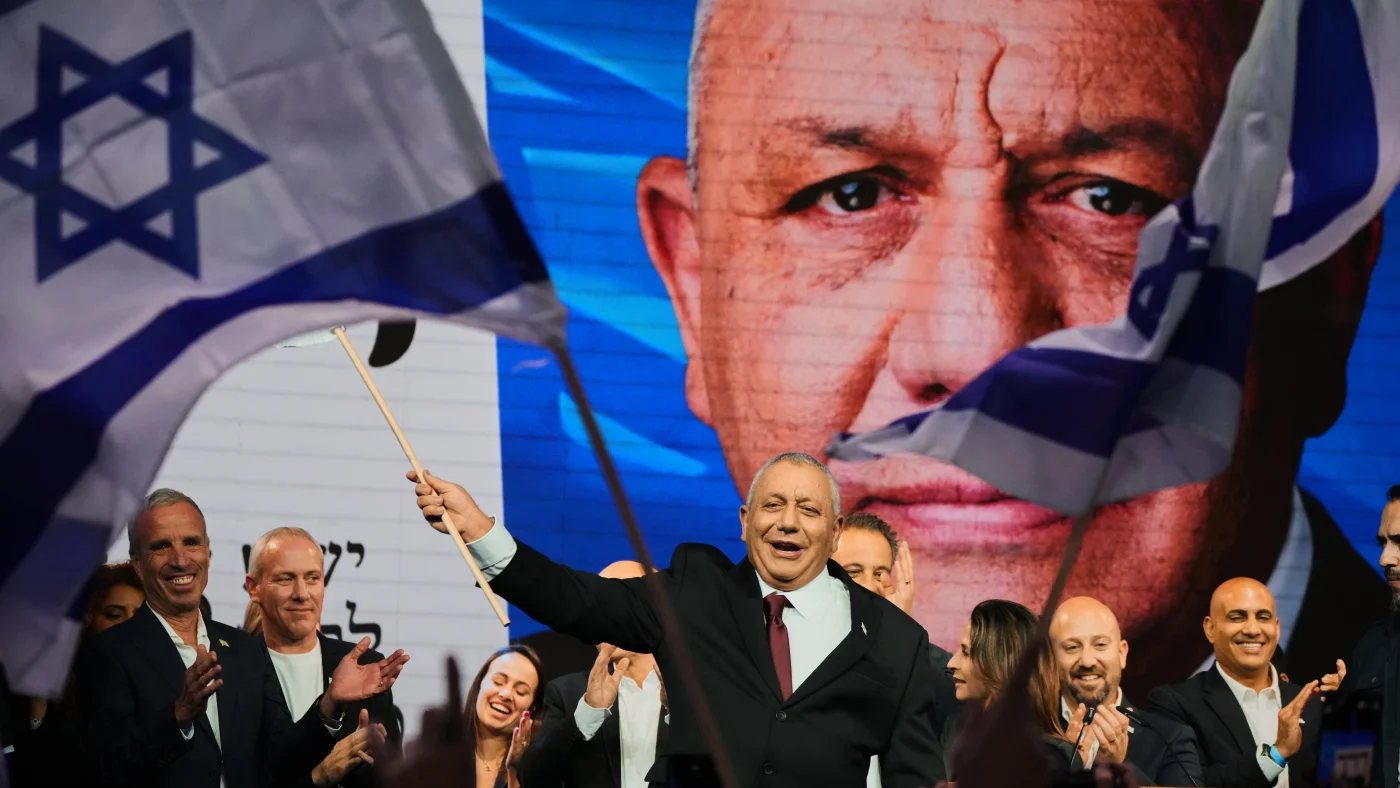
Lula won Brazil's presidential runoff election on Oct. 25, 2026, securing a fourth nonconsecutive term as president.
At a glance
- Lula secured over 51% of votes in the runoff, defeating Bolsonaro with more than 48%.
- This marks the first time since 1989 democracy restoration that a candidate who failed the first round won the presidency.
- Lula will be 81, becoming one of the oldest sitting leaders in the Americas.
Brazil's left-wing President Luiz Inácio Lula da Silva was elected for a fourth term in the presidential runoff on Oct. 25, 2026, in São Paulo. Official results show Lula secured more than 51% of the votes, defeating Sen. Flávio Bolsonaro, who received more than 48%. This victory marks a historic moment in Brazil's democratic era, as it is the first time since 1989 democracy restoration that a candidate who failed to win the first round of voting has gone on to win the presidency in the second round.
Lula's win adds another chapter to his long political career, securing him a fourth, nonconsecutive presidential term. At 81 years old, he will be among the oldest sitting leaders in the Americas, alongside President Trump and Nicaraguan President Daniel Ortega, both 80. The result also represents a broader political shift, as Lula's victory buckes a rightward trend across Latin America in recent years.
The election day unfolded chaotically. Around midday, Lula's campaign requested an extension of voting hours, arguing that reduced bus services made it harder for voters to reach polling stations. Bolsonaro also sought an extension, citing heavy rain in some states. Supreme Court Justice Cristiano Zanin extended voting by two hours, but some polling stations had already deactivated their electronic voting machines.
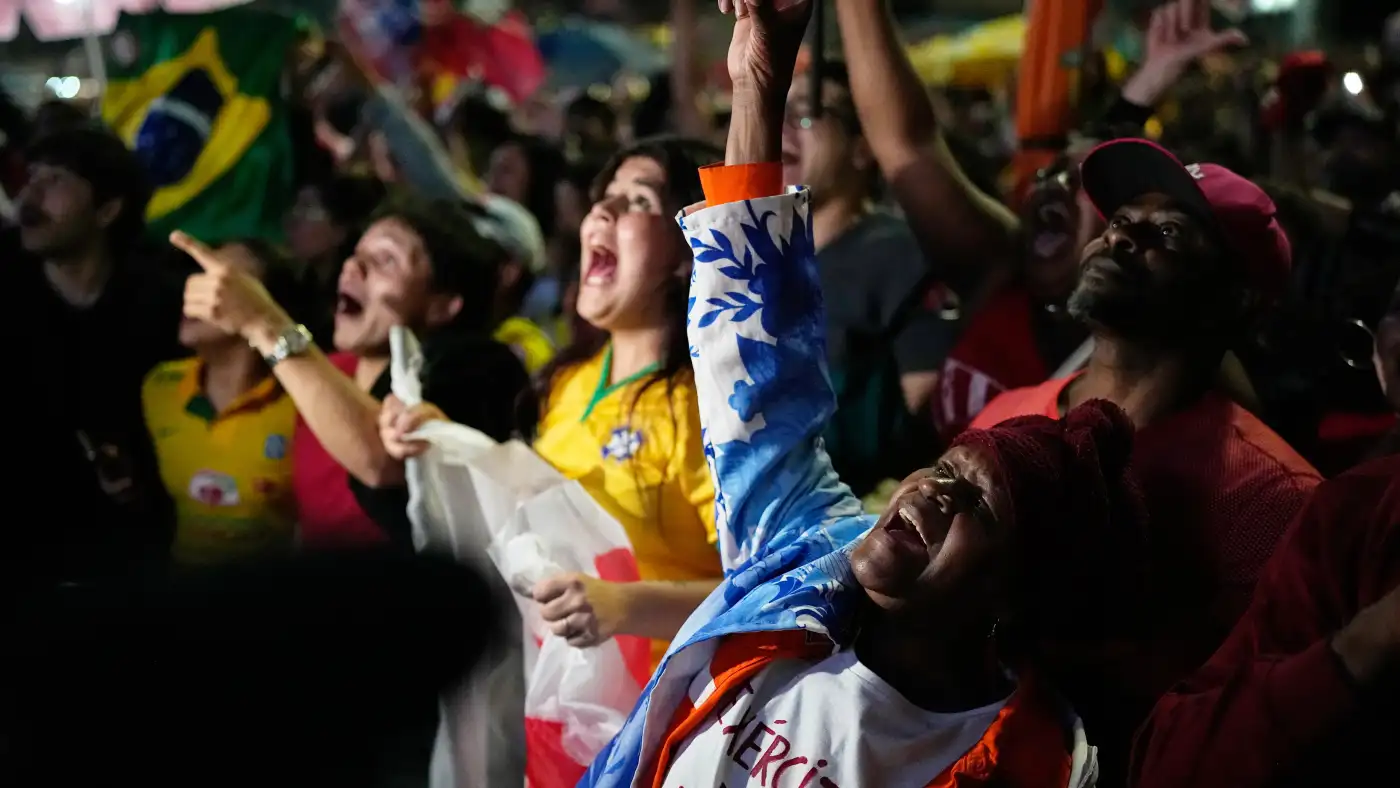
Lula's message of continuity and focus on social spending prevailed. In a speech to ecstatic supporters in São Paulo, he called the election a "defeat of denialism. A defeat of lies." He thanked the Brazilian people, the youth who defended democracy, and the elders who went to vote. His approval rating rose after standing up to Trump, but his disapproval rating remained higher than at the start of the election season. Brazil's economic growth has been slower than during his first two terms, and many voters felt he had not done enough to address crime and public security.
Political scientist Jairo Nicolau noted that one of the most striking features of this year's contest was the rigidity of Brazilians' political allegiances. Unlike in past years, he observed that "people's identity of belonging to a tribe became more important than how they view different policy options."
Questions and answers
- Who won Brazil's presidential election on Oct. 25, 2026?
- Luiz Inácio Lula da Silva won the runoff election, securing a fourth nonconsecutive term as president.
- What were the vote shares for Lula and Bolsonaro?
- Lula received more than 51% of the vote while Bolsonaro received more than 48%.