Biography Re-examines Life of Sarah Forbes Bonetta, Presented to Queen Victoria
A new study by historian Henry Lovejoy details the life and imperial indentureship of Sarah Forbes Bonetta, an African child ward of Queen Victoria.
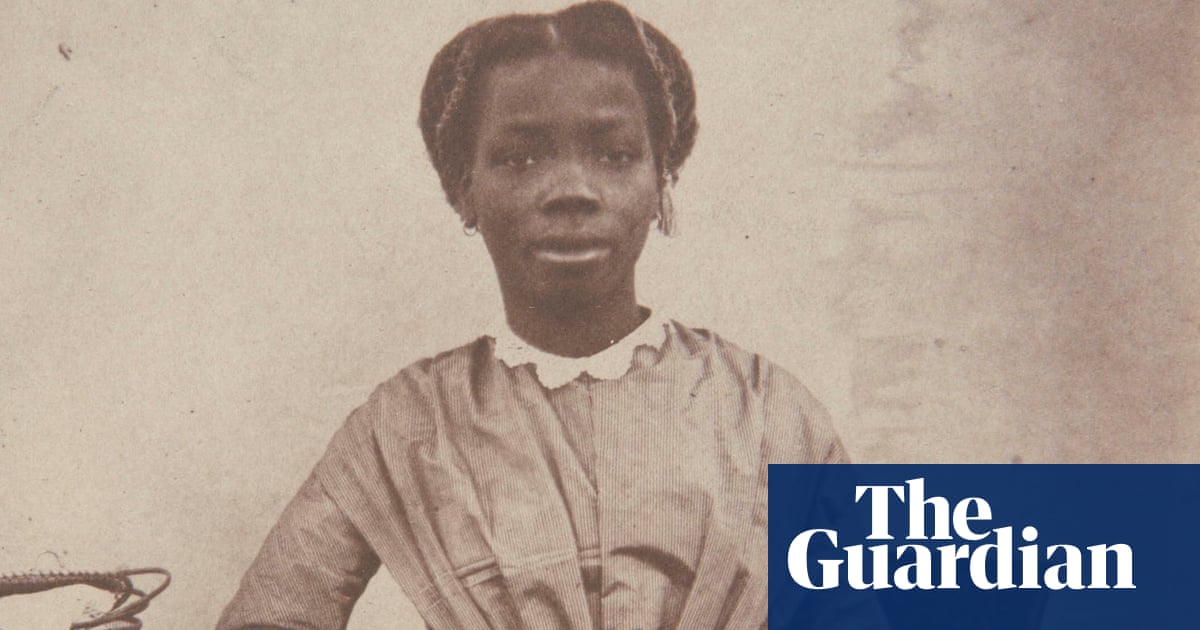
At a glance
- A new biography by Henry Lovejoy details the life of Sarah Forbes Bonetta, an enslaved Yorùbá orphan presented to Queen Victoria in 1850.
- Research reveals Bonetta was effectively indentured to the British crown until age 19, dispelling myths about her royal status.
- Her descendant Bayo Randle welcomed the book for highlighting her personal courage and agency despite imperial exploitation.
Bayo Randle, a London barrister, has welcomed a new biography examining the life of his great-great-grandmother Sarah Forbes Bonetta, an enslaved Yorùbá orphan who was presented to Britain's Queen Victoria as a diplomatic gift in 1850.
The book, *Becoming Sarah Forbes Bonetta: A Yorùbá Woman in Queen Victoria’s Court*, written by University of Colorado Boulder professor Henry Lovejoy, investigates the imperial agenda behind the royal protege's high-profile life. Born Àìná in Òkè-Òdàn in south-west Nigeria around 1843, she was captured at age five during an attack by King Ghezo of Dahomey's forces, who killed her family. In 1850, British naval officer Frederick Forbes brought her to England after an unsuccessful mission to negotiate an anti-slavery treaty, renaming the child after himself and his ship.
Indenture and Imperial Propaganda
Lovejoy’s archival research reveals that Forbes petitioned for the young girl to be legally designated as "the property of the crown," leaving her effectively indentured to Queen Victoria until age 19. Her image was subsequently leveraged by the British Empire to promote the monarch's benevolence and frame colonisation as a civilising mission. Lovejoy points out that this occurred as more than 700,000 Africans liberated from slave ships by the British Navy were subjected to indentures lasting up to 14 years to cover the costs of their freedom.
Bonetta later married merchant and philanthropist James Pinson Labulo Davies with royal approval, although she privately noted that she felt no affection for him. While Queen Victoria paid for Bonetta's education and served as godmother to her eldest daughter, Lovejoy's book corrects several long-standing myths: Bonetta was neither a Yorùbá princess nor the queen's goddaughter, and she did not spend the majority of her life in Britain. Instead, she became a prominent linguist, musician, educator, and writer in 19th-century Lagos before dying of tuberculosis in Madeira in 1880 at age 37.
Randle noted that while confronting how his ancestor was used as imperial iconography is uncomfortable, her resilience remains powerful. He emphasised that despite profound trauma and displacement, Bonetta adapted and thrived, standing as a remarkable figure in early Black British history.
Source: The Guardian World.
Questions and answers
- Who was Sarah Forbes Bonetta?
- Born Àìná in Nigeria, Sarah Forbes Bonetta was an enslaved Yorùbá orphan presented to Queen Victoria in 1850 who later became a prominent 19th-century educator, linguist, and writer.
- What does the new biography reveal about Bonetta's relationship with the crown?
- Historian Henry Lovejoy found that Bonetta was legally designated as property of the crown and effectively indentured until age 19, serving as imperial propaganda to portray British rule as benevolent.
- What common myths about Bonetta does the book debunk?
- The book debunks claims that Bonetta was a Yorùbá princess, that she was Queen Victoria's goddaughter, and that she lived most of her life in England.

















