Austrian MEP Urges EU Action on Nude Deepfakes Targeting Lawmakers
A study reveals one in six female MEPs has been targeted by sexualised AI content, prompting demands for strict enforcement of an upcoming European Union ban.
At a glance
- A thinktank report revealed that one in six female MEPs has been targeted by non-consensual sexualised AI deepfakes.
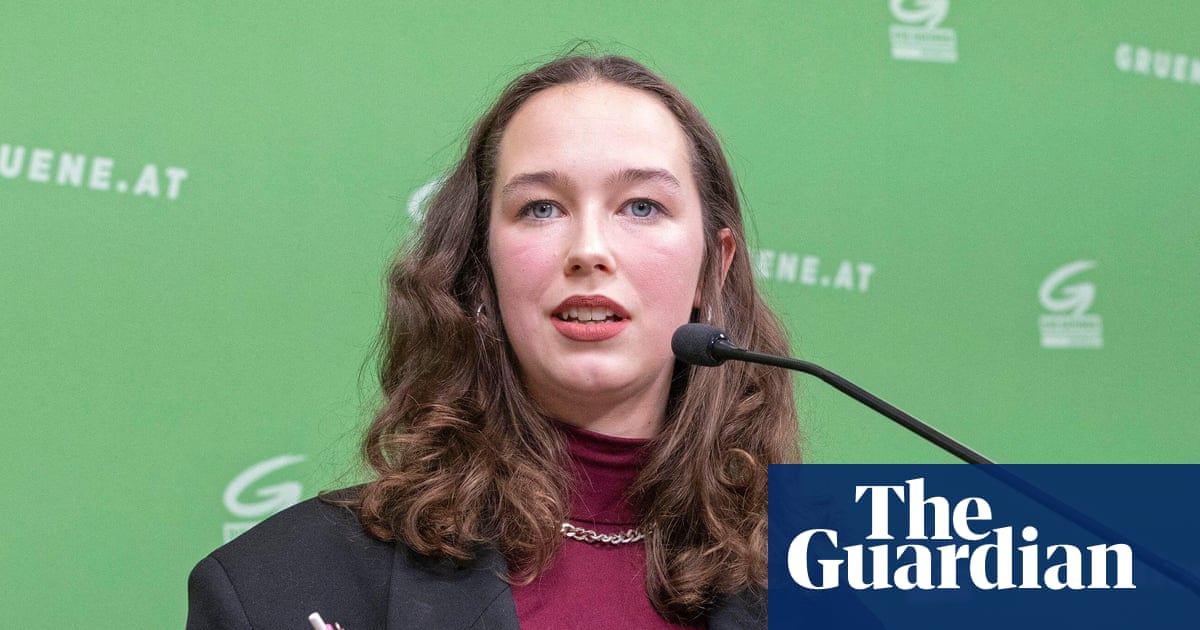
- Austrian MEP Lena Schilling spoke out after finding digitally altered nude images from her early career circulating online.
- A total of 119 MEPs signed a letter urging the EU to ensure strict enforcement of an upcoming ban on AI undressing tools on 2 December.
Austrian MEP Lena Schilling has urged the European Union to enforce strict regulations against non-consensual sexualised deepfakes after a new study revealed that one in six female members of the European Parliament has been targeted by digitally manipulated imagery.
Schilling, a member of the Green party, discovered last month that altered images of herself were circulating online. The pictures were originally taken from one of her initial political press conferences and digitally modified with artificial intelligence to remove her clothing. Schilling described the incident as a humiliating attempt to cause harm, characterising the synthetic media as a form of digital violence against women that exacerbates existing harassment faced by public figures.
Widespread Manipulation of Lawmakers
Schilling is among 50 MEPs—46 of whom are women—targeted by sexually explicit deepfakes, according to findings from the Berlin-based thinktank Agora Digitale Transformation (ADT). The organisation, which initially informed Schilling about the images, warned that synthetic pornography poses a systemic threat to female political representation.
An earlier report by the same thinktank found that 138 female lawmakers across 22 EU nations had been similarly targeted. The data revealed that women in politics were 33 times more likely than their male peers to be associated with or depicted in deepfake pornography. Schilling warned that such harassment threatens democratic representation by discouraging women from pursuing careers in public service.
Calls for EU Enforcement
Schilling and German Green MEP Terry Reintke initiated a joint letter to EU authorities signed by 119 parliamentarians. The letter stresses that an upcoming ban on websites and applications that digitally strip images of women must include robust enforcement mechanisms.
The prohibition is slated to take effect across the European Union on 2 December. Lawmakers argued that regulations without practical enforcement fail to protect individuals, specifically warning against loopholes that allow automated "nudifier" applications to continue operating. Schilling called on member states to hold tech firms accountable and prevent non-consensual digital manipulation from functioning as a commercial business model.
Source: The Guardian World.
Questions and answers
- What did the report find regarding deepfakes targeting EU politicians?
- A report by Agora Digitale Transformation revealed that 50 MEPs, including 46 women, were targeted by sexualised deepfakes, affecting roughly one in six female lawmakers in the parliament.
- What are European lawmakers asking the EU to do?
- Lawmakers are calling on EU officials to implement strict enforcement mechanisms and eliminate loopholes for a ban on AI undressing apps scheduled to take effect on 2 December.

















