ACOG updates menopause treatment guidelines for the first time since 2014
The American College of Obstetricians and Gynecologists has revised its menopause guidance for the first time since 2014, backing hormone therapy and new nonhormonal drugs.
At a glance
- ACOG released its first updated menopause treatment guidelines since 2014, covering hot flashes, insomnia and mood swings.
- The guidance says hormone therapy safety is well-established and is best for women under 60 or within 10 years of their last period.
- ACOG also highlights nonhormonal drugs fezolinetant and elinzanetant, plus gabapentin and non-drug options.
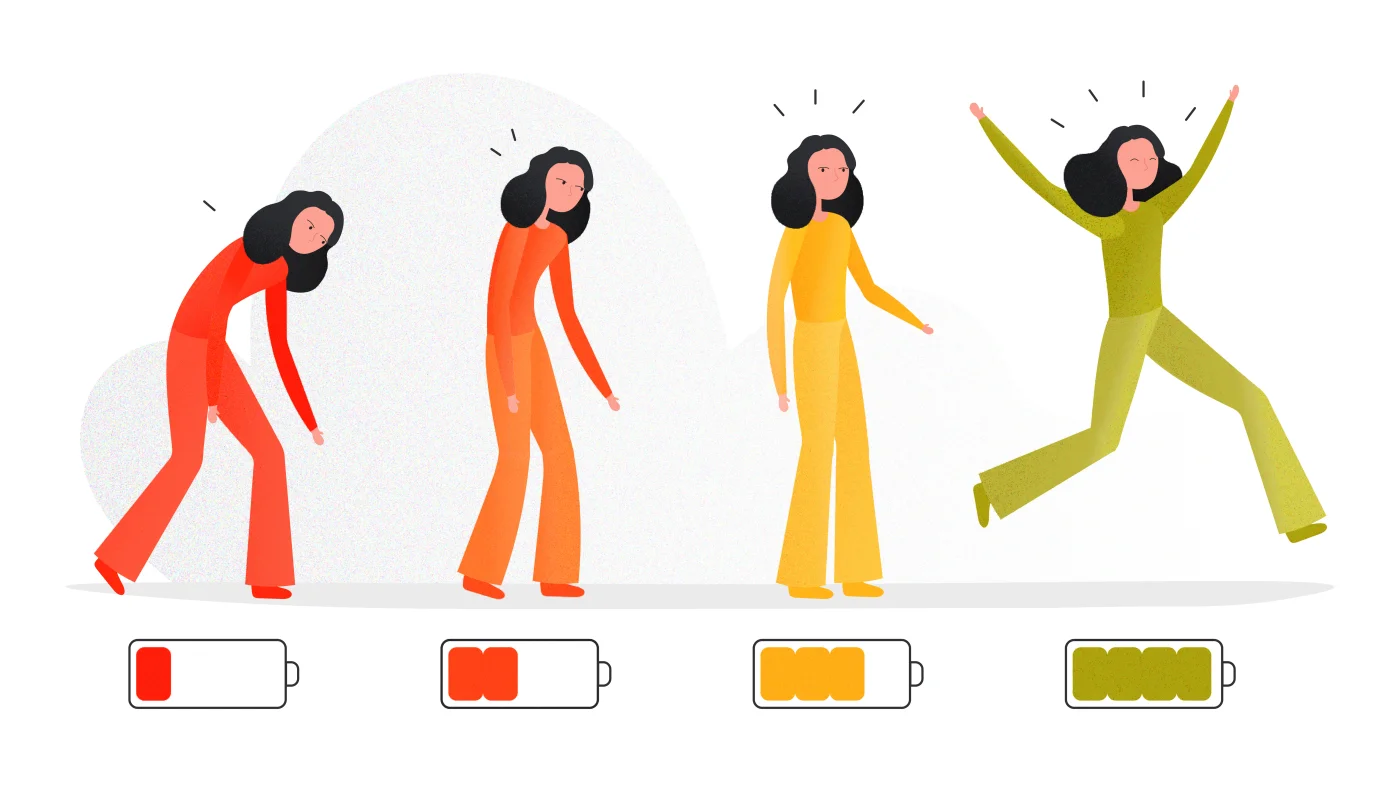
The American College of Obstetricians and Gynecologists (ACOG) released new guidance on Thursday for treating menopause symptoms, the organization's first update since 2014. The guidelines recommend hormone replacement therapy alongside certain antidepressants, nonhormonal medicines and other treatments for symptoms such as hot flashes, insomnia and mood swings.
Catherine Cansino, an OB/GYN who chairs ACOG's Committee on Clinical Practice Guidelines and co-authored the guidance, said the main change is the range of choices now available. "What's changing is the breadth of options that we now have ... And the benefit of that is that we are better equipped to be able to take an individualized approach for patients," she said.
Hormone therapy safety revisited
The guidance states that the safety of hormone replacement therapy is now "well-established," Cansino said. In 2002, the Women's Health Initiative linked the therapy to higher risks of heart disease, breast cancer, stroke and pulmonary embolism. When researchers re-examined that data years later, they identified limitations — including that most participants were 60 or older — that made it hard to apply the results to younger women going through menopause or perimenopause.
"Hormone therapy is probably the best option for symptomatic, newly menopausal women within 10 years of the final menstrual period or before the age of 60," co-author Robert Kauffman said at a Thursday press briefing.
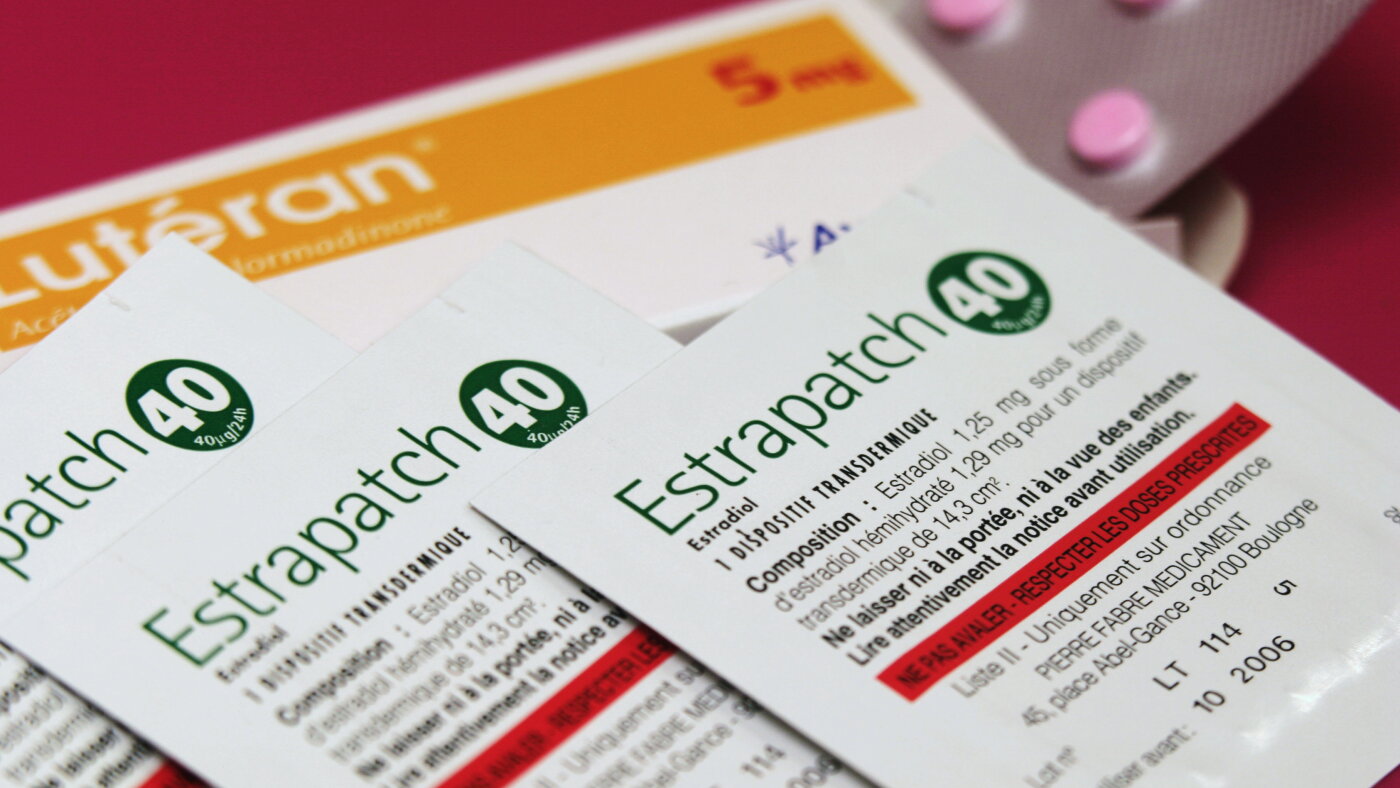
ACOG supports systemic hormone replacement therapy combining estrogen and progestogen for women who have a uterus and no contraindications. Progestogen is included because estrogen can stimulate growth of the uterine lining and raise the risk of endometrial cancer. For women without a uterus — about half a million women have hysterectomies each year — ACOG recommends estrogen alone.
Reasons to avoid hormone therapy include undiagnosed abnormal genital bleeding and current or past histories of certain gynecologic cancers, blood clots, stroke, heart attack, liver disease, or a known or suspected pregnancy.
New nonhormonal options
The guidelines also point to nonhormonal drugs: fezolinetant, sold as Veozah and approved by the FDA for hot flashes in 2023, and elinzanetant, sold as Lynkuet and approved in 2025. According to the guidance, these medicines work by blocking chemical messengers in the part of the brain that controls body temperature and sleep/wake cycles. Cansino said they were studied specifically with the physiology of thermoregulation and sleep in mind.
ACOG also recommends Duavee, a pill combining estrogen with bazedoxifene, as an alternative to estrogen-progestogen therapy, and gabapentin for patients who cannot tolerate hormones or the newer drugs.
Cognitive behavioral therapy, mindfulness-based interventions, exercise, clinical hypnosis and acupuncture may improve some symptoms, though ACOG notes the evidence for these approaches is weaker than the evidence for hormone therapy.
About 2 million women begin menopause each year, and the average age is 49.9, according to the guidelines; symptoms can start years before a woman's final menstrual period.
Demand for hormone therapy is rising. The FDA removed the "black-box warning" from labels for certain estrogen therapies last year, and transdermal estrogen patches have recently been difficult for pharmacies to keep in stock. Cansino told NPR the shortage shows that attention is concentrated on hormone therapy "and not necessarily enough about other treatment options."
She urged patients to discuss the pros and cons with a trusted clinician and to avoid "tunnel vision" about a single option, warning that misinformation and exaggerated claims can lead some people to take risks they should not.
Source: NPR News.
Questions and answers
- Is hormone replacement therapy safe for menopause?
- ACOG says the safety of hormone replacement therapy is now "well-established." It recommends it for symptomatic, newly menopausal women within 10 years of their final menstrual period or before age 60.
- What are the new nonhormonal menopause treatments?
- Fezolinetant (Veozah), approved in 2023, and elinzanetant (Lynkuet), approved in 2025, target the brain's temperature and sleep regulation. Gabapentin is also recommended for people who cannot take hormones.
- Who should not take hormone therapy for menopause?
- ACOG lists undiagnosed abnormal genital bleeding, certain gynecologic cancers, blood clots, stroke, heart attack, liver disease, and known or suspected pregnancy as reasons to avoid hormone therapy.